


When it comes to spending time in nature, every piece of gear counts. Whether you’re going mountain climbing or simply camping with your friends, a bivvy bag is a great, lightweight way to shelter from the unpredictable weather conditions that may arise.
Compact, waterproof, and easy to carry, bivvy bags are an amazing way to sleep under the stars without the burden of carrying a tent on your adventures. Whether you are an experienced adventurer or a beginner camper, it’s essential to understand the importance of a safe, overnight shelter when spending extended periods outdoors.
In this guide, we’ll explore the reasons behind bivvy bags’ popularity, as well as the benefits of purchasing bivvy bags for your next outdoor adventure.
What Is a Bivvy Bag?
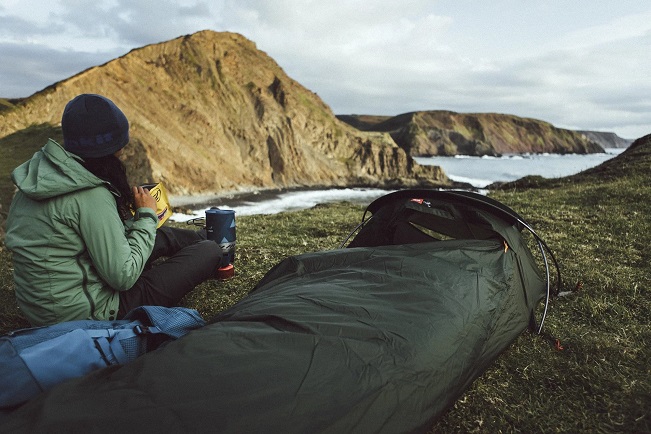
A bivvy, otherwise known as a bivouac bag, is a lightweight, waterproof protective cover for your sleeping bag that keeps water and moisture away from your shelter. With it, you no longer need a tent, as this compact sheath for your sleeping bag allows you to build shelter in an instant without the need to carry heavy amounts of gear on your trip.
You can think of bivvy bags as waterproof jackets that protect your sleeping bag while still allowing trapped sweat and moisture to escape. Although sleeping bags by themselves are a great way to shelter at a moment’s notice, they do little to keep you dry when there is a sudden change in weather. A dry sleeping bag is a warm sleeping bag, and without a bivouac bag to cover your bed when you sleep, you can end up wet and shivering in the cold.
Whether you are stationed on rough terrain or an even field, a bivvy opens up a world of sleeping opportunities, as it can fit in nooks where there isn’t much space for a regular tent. There is nothing quite like sleeping under the starry sky with adequate protection from the ever-changing weather conditions.
Why You Need a Bivvy Bag for Lightweight Camping
The bivvy bags aren’t just a form of shelter used by regular campers and hikers. Many experienced mountain climbers and adventurers recommend them as an excellent way to stay dry and warm when sleeping outside.
The biggest advantage of bivvy bags is that they are extremely lightweight and compact. Because of their small size, they are much lighter than a tent and an essential for your travel backpack. They are also way cheaper than regular tents, and a cost-efficient solution to save money if you are looking to start exploring nature on a budget.
The bivvy sacks can also bring you closer to nature than any tent ever will. If you love the feeling of sleeping under the stars, they keep your field of view open for gazing and exploring nature in front of your eyes. You can watch the stars, feel the soft breeze on your skin, and wake up refreshed to a breathtaking view.
A bivvy can be set up at a moment’s notice, even with minimal space. If you want to spend the night in a cave or tucked away between rocks and trees, it takes up only as much space as your sleeping bag does. So if you can comfortably lie in a tight space, so can your bivvy.
Because these bags are made of breathable, water-resistant fabrics, they keep any moisture from outside from getting into your sleeping bag, protecting you from wind, rain, and even snow. Although they are made from thinner materials, they still provide an extra layer of insulation to your sleeping sack, keeping you warm during the cold, windy nights spent outdoors.
Key Characteristics of a Bivvy Bag
When shopping for a bivvy sack to bring on your next adventure, it’s essential to recognise some key characteristics that make a bivvy high-quality and durable.
Here is a list of features to examine and compare with the characteristics of your bivvy bag:
- Lightweight and Compact: One of the main reasons adventurers decide to bring bivvy sacks on their trips is their ultralight size and compact design. They can be easily carried in a backpack, and you shouldn’t need to bring a special carry bag just for your bivvy.
- Breathability and Weather Protection: You should rely on your bivvy to shield you from any sudden weather changes, such as strong winds, heavy rain and even snow. Even with the waterproof capabilities of bivouac sacks, they should still be able to prevent condensation buildup, allowing moisture to escape while keeping you protected from unpredictable weather conditions.
- Minimalist Design: Although you can find bivvy bags with many different designs and patterns, it’s best to stick with the basics. That means simple, monochrome colours and darker patterns, such as camo or stripes. After all, you’ll be sleeping in nature, and you don’t want to attract any attention to yourself at night.
- Simple Setup: Setting up a bivvy requires only your hand and a couple of minutes of your time as it doesn’t come with additional poles and nails for setup. It can be used anywhere, from flat terrain to rocky mountains.
- Flexible Use: If the weather allows it, you can use your bivvy as a sleeping bag itself, as a cover for your sleeping bag, or even paired with a tarp. The ideal choice is one that provides the flexibility to set it up and use it in various climates and terrains.
Tips for Your First Bivvy Bag Adventure
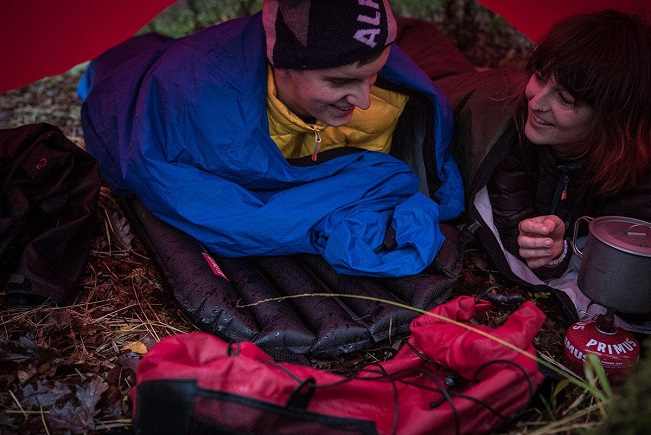
If you plan on spending the night outdoors without the comfort and safety of a tent, just with the company of your bivvy bag, it’s essential that you know how and when to set it up.
Check the weather about 24 hours before you depart for your trip. Although bivvys are highly dependable in the rain, if you’d prefer not to get caught in a heavy downpour with only a bivvy bag as your shelter, ensure you prepare the right tent for what’s about to come your way.
Once you’ve spent all day walking around and exploring, and you feel as if you are ready to take shelter for the night, find a secure, preferably flat spot to set up your sleeping getup. If you are planning to sleep on elevated ground, ensure your bag is secured either on a flatter surface or between some larger rocks, so you don’t slide downhill in your sleep.
If you have space in your backpack, bring a soft, lightweight mat to place under your sleeping bag. This way, you’ll create more space for your bivvy, as well as more space to move around in your sleep.
If you can keep your face exposed outside of your sleeping sack, you can keep an eye on your surroundings at all times, while also preventing condensation buildup inside your sack.
Keep the space where you sleep clean and dry. Avoid bringing your boots inside or on top of your sleeping setup. This way, not only do you keep your space clean, but you also create more space to sleep comfortably.
After you’ve rested, shake off any dirt or moisture from your bivvy bag before packing it up again and continuing your adventure in nature.
Conclusion
To sum up, your bivvy is your best companion on short-term outdoor adventures. From keeping you dry in the rain to providing shelter on a moment’s notice, this bag is the lightest way to travel, whether deep in the forest or high in the mountains. Compact, waterproof, and comfortable, it will keep you warm and safe, wherever you decide to venture next.