


Circular saws have become indispensable for anyone working with wood or other materials, thanks to how quickly and accurately they can make cuts. They’re popular among both professionals and home users because they can handle all sorts of jobs with ease.
Also found as battery-powered models, circular saws offer extra freedom without needing to be plugged in. A big factor behind how well they perform is the circular saw blade you choose. Picking the right blade means cleaner cuts, smoother finishes and fewer headaches down the track. If you’re on the hunt for a circular saw blade for sale, it helps to know your options and what features to look out for.
Types of Saw Blades
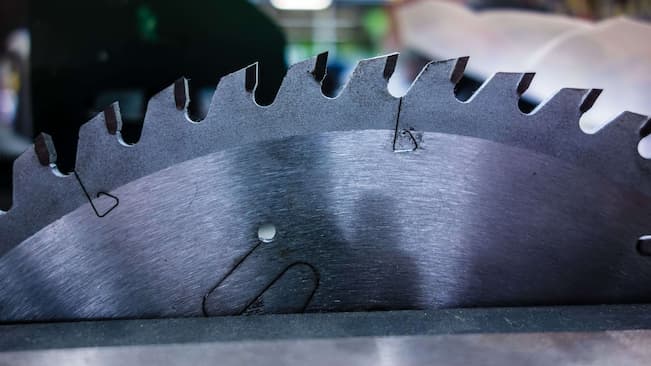
General Purpose
The variety of saw blades is quite broad and each type is designed for a particular purpose, but that’s not the case with combination blades. Also known as general-purpose circular saw blades, they are the most common and, as the name suggests, can be used for different jobs. You can slice through wood, plywood and even some metals without fuss. If you’re after just one blade to do a lot of different jobs, these are your go-to.
Dado
For those who do lots of joinery or cabinet making, dado blades are a lifesaver. They’re made for cutting wide grooves in wood so pieces fit together properly. Instead of just a thin line, these blades can cut channels of various widths depending on the setup, which is important for sturdy joints.
Thin-Kerf
If you’re after precision, thin-kerf blades are worth considering. They’re thinner than your average circular saw blade for sale, which means less wood is removed as you cut. This not only saves on waste but also puts less stress on your saw, so it lasts longer. Fine woodworking crews swear by thin-kerf because it makes the most out of their timber.
Crosscutting
Crosscutting blades are the sharp tools that you need to slice across the grain of wood. Their many small, tightly spaced teeth make sure the cut is smooth with no nasty splinters. This is crucial when you need a good-looking edge, like when making furniture or finishing carpentry.
Ripping
Ripping blades are almost the opposite, they have fewer, larger teeth and are designed to cut along the grain. They rip through timber fast but don’t leave the prettiest finish. You wouldn’t use these for a carefully crafted table, but for a quick cut on framing timber, they’re perfect.
Finishing
Finishing blades take on the delicate jobs. With super fine teeth, they give you clean, chip-free edges, which is essential when you’re working on trims or mouldings. Similarly, plywood blades are specialised for the job.
Plywood
Plywood can be tricky because it tends to chip or splinter. A circular saw blade for plywood typically has more teeth that cut carefully without damaging the thin layers.
Compact
Compact blades are smaller and ideal when you’re working in tight spaces or on smaller saws where a regular blade just wouldn’t fit.
Framing
Then there are framing blades designed for the rough and ready world of building, putting speed and durability above fine finishes.
Masonry
Cutting stone or concrete? Masonry blades with diamond or grit coatings are what you need. They’re built tough to power through bricks or blocks without wearing out.
Cold Saw
Metal cutting, on the other hand, calls for cold saw blades, which are made to keep their cool so they don’t overheat or wear out early.
Circular Saw Blade Features
Diameter
The blade type is one part of the story, but the features built into each blade also change how it performs. The blade has to fit your saw and the size also decides how deep your cut will be. Circular saw blades come in sizes from about 115mm to 355mm, so picking the right one makes sure you get the job done without any hassle.
Teeth
Then there’s the teeth count and design. More teeth usually means a smoother cut because you’re taking off smaller slices of material each time. But more teeth also slow you down. Fewer teeth mean faster cutting, but it’s choppier and rougher, which might be fine for quick cuts that won’t be seen.
The way the teeth are shaped and angled also changes things. Some have a more aggressive angle, which equates to faster cutting, but it can be harder to control, especially on delicate stuff. Others are less aggressive but give you better control, perfect when you want a clean cut and don’t want to risk chipping the material.
Coating
A lot of blades these days come with coatings that help keep the blade cool and reduce friction. This means the blade stays sharp longer and you won’t have to stop so often to let your saw cool down.
Speed
Expressed in revolutions per minute or RPM speed ratings let you know the top speed your new saw blade can safely handle. Going above this can be dangerous, so always check that your blade’s rating matches your saw.