


This knife is a classic Japanese tool designed for chopping vegetables with speed and precision. Its straight-edged blade allows for clean, even cuts, while the lightweight design keeps kitchen tasks effortless. Understanding what makes these vegetable knives unique, how to use them effectively, and how to care for them properly can elevate everyday cooking and make preparing meals a smoother, more enjoyable experience
What Is a Nakiri Knife?
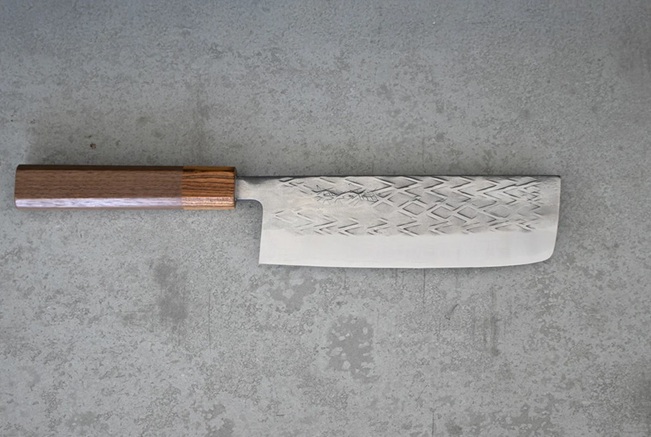
This knife is a traditional Japanese knife used for cutting vegetables. It has a flat, rectangular blade and a double-edged design. Western knives have a curved blade that’s suitable for rocking motions. But the practical and efficient nakiri knife has a straight edge. Because of this, the chef can make clean and precise cuts by just moving it straight down through the food.
This professional tool is primarily designed for chopping, dicing and slicing. It’s perfect for veggies because it cuts through without crushing or damaging them. The thin and lightweight blade offers more control on the cuts, especially when working with leafy greens and herbs because they’re fragile and delicate.
The squared-off tip allows the knife to glide easily along the chopping board, eliminating the need for awkward wrist movements. Besides being a staple in Japanese homes and kitchens, this knife is also popular and valued all over the world. Chefs love it because of its ability to create even slices.
Why Are These Knives Important in the Kitchen
Every kitchen that’s equipped with a proper set of knives is off to a good start. A vegetable knife like this enhances the experience due to its numerous advantages. The first time you have it in your hand and start using it, you’ll notice that this knife’s straight blade cuts cleanly from top to bottom and keeps the edges neat and smooth.
This consistency is great not just when working in a restaurant, but when you’re a home cook as well. You can notice the importance of clean cuts when you do meal preps and cook stir-fries and roast vegetables. Because of the cohesiveness of the pieces, everything is cooked evenly.
Their efficiency is another reason people love them. The blade is thin, sharp, moves easily through different types of produce and doesn’t stick. You can cut more with each motion because of the recognisable, rectangular shape. And when you’re about to do meal prep, this will save you a lot of time and effort.
If you’re someone who loves working with fresh ingredients, this knife is the perfect investment. It gives you more control and encourages having a cleaner technique. It’s one of the favourites og beginner chefs and home cooks because of the lightweight blade and balanced handle. These two things combined make it comfortable to hold for a longer time.
How to Use it Properly
Using a nakiri knife becomes very easy once you learn the proper technique of handling it. The most important thing to focus on is to do a straight up-and-down cutting motion instead of rocking the blade. Keep your wrist relaxed and hold the handle firmly but not too tight. Use your other hand to guide the ingredients, and curl your fingers slightly inwards to keep them protected.
Because the blade is flat, keep it in contact with the cutting board as you move through each cut. Lift it only slightly between slices, then bring it back down again. This cutting technique results in clean and even slices. The right chopping surface also makes a difference. The best boards that won’t dull the knife are wooden or soft plastic ones. Avoid stone or glass because they can dull the blade.
This knife handles a wide range of ingredients with ease. It slices neatly through tomatoes, cucumbers, onions, carrots, and cabbage. It also works well with softer produce such as zucchini, mushrooms, and fresh herbs. When cutting firmer vegetables like sweet potatoes or pumpkins, take your time and let the blade do the work. There’s no need to press down hard.
Care and Maintenance
Taking good care of your nakiri Japanese knife is very important. Good maintenance keeps it sharp and safe and extends its lifespan. As soon as you’re done using it, give it a good clean. Use mild soap and warm water and dry it off completely with a soft cloth. Never leave it wet because both the handle and the blade can get damaged.
Don’t make the mistake of washing this knife in a dishwasher. The high heat and harsh detergents can weaken the steel and cause the edge to dull quickly. Instead of using a pull-through sharpener, get a whetstone. Do a few light passes every month and the blade will always be sharp.
Proper storage is also important. Don’t just keep it in the drawer with the rest of the kitchen tools. A knife like this should be settled in a knife block, a magnetic strip or a protective sheath. This way you avoid damage to the knife and potential cuts for you.
Choosing the Right Nakiri Knife
There are some things to consider when buying a nakiri. The first thing is the blade material. Damascus, stainless steel and carbon steel are the three most common options. Damascus looks beautiful, looks elegant and is very strong. Stainless steel is low maintenance and stain resistant. Carbon steel is sharp and can hold its edge very well.
The handle is also important. If you’re a more traditional type, almost all Japanese knives come with a wooden handle. Chefs love it because it has a good grip and a nice feel. More modern versions often use resin or composite materials that are durable and moisture resistant.
Don’t forget about weight. When the knife is lighter, it’s much easier to hold and control. A heavier one will give you more stability when dealing with tougher vegetables. Pay attention to the price as well. It almost always reflects the level of craftsmanship and the quality of materials used on the knife. Make sure to find a reliable supplier, someone who works with authentic Japanese knives and knows their history and purpose.