


When building a watch collection, most people obsess over movements, brands, or complications. Yet the very first decision often has the biggest impact. A watch isn’t just a timekeeper; it’s the anchor of your entire outfit. It sits at the intersection of function and style, quietly signalling taste, confidence, and intent. Choosing between silver and gold sets the tone for how your watch integrates into daily life. Whether you gravitate toward understated practicality or bold statement-making, understanding the strengths of each metal helps you choose wisely and wear confidently.
The Case for Gold

The Statement Piece
Gold has always carried symbolic weight. Across cultures and centuries, it has represented success, legacy, and refinement. A gold watch doesn’t whisper, it speaks with calm authority. It’s the choice of someone who embraces tradition and isn’t afraid to be noticed. Modern and elegant wristwatches in gold hold that sense of prestige, but today they’re less about excess and more about intention. A well-chosen gold timepiece feels deliberate, not flashy.
Warmth and Character
Yellow gold delivers a timeless, almost heirloom-like aesthetic. It evokes vintage dress watches passed down through generations. Rose gold, on the other hand, feels more contemporary and artistic, blending copper tones that soften the overall look. It’s especially appealing for those who want warmth without going fully traditional. Both options offer depth and character that silver can’t replicate.
The Power Suit Companion
Gold excels in formal environments. Boardrooms, high-stakes negotiations, and black-tie events are where gold truly shines. Paired with a tailored suit, it reinforces authority and polish. A gold watch on a leather strap, in particular, remains the gold standard for formal wear.
Best Pairings
Gold pairs best with warm, rich colours. Earth tones, chocolate browns, forest greens, creams, and tans. Traditional tailoring, textured fabrics, and classic footwear all enhance its appeal. If your wardrobe leans toward timeless elegance, gold wristwatches feel right at home.
The Case for Silver

The Everyday Champion
Silver-toned watches are the most versatile option available. They adapt effortlessly from office to weekend, from suit to sweatshirt. If you’re buying your first serious watch, silver is often the smartest starting point. Unlike gold, silver blends rather than dominates. It supports your look instead of defining it.
Understated Elegance
Psychologically, silver is perceived as professional, modern, and restrained. It communicates competence rather than status. This makes it ideal for contemporary workplaces and minimalist styles. A steel watch suggests precision and reliability. These are qualities often associated with luxury tool watches and sports models.
Durability Factor
From a practical standpoint, stainless steel is incredibly durable. It resists scratches better than gold, handles moisture and impact well, and is suitable for active lifestyles. If you plan to wear your watch daily, silver-toned metals offer both style and peace of mind.
Best Pairings
Silver thrives with cool colours and casual staples like denim, white tees, and sneakers. It’s the perfect companion for modern, relaxed wardrobes.
The Science of Skin Tone
Determining Your Undertone
A simple way to identify your skin undertone is the “vein test.” Look at the veins on your wrist:
- Blue or purple veins suggest cool undertones.
- Green veins suggest warm undertones.
Cool Undertones
If your skin runs cool, silver and steel watches provide crisp contrast. They enhance clarity and look especially sharp against darker outfits.
Warm Undertones
Warm undertones glow next to gold. Yellow and rose gold enhance natural warmth, making the watch feel harmonious rather than overpowering.
Neutral Undertones
Neutral undertones get the best of both worlds. You can confidently wear silver, gold, or even two-tone designs. This flexibility opens the door to experimenting with styles or choosing a bicolour piece that bridges the gap.
Coordination with Other Accessories
The “Metal Matching” Rule
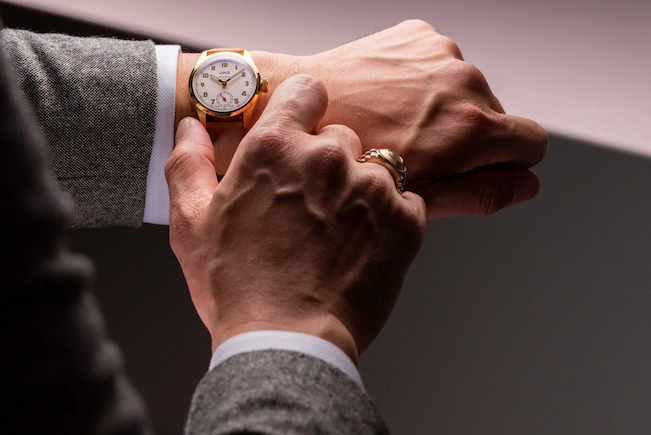
A classic guideline is to match your watch metal to other accessories like belt buckles, cufflinks, and rings. This creates visual harmony and polish.
The Wedding Band Exception
Does your watch have to match your wedding ring? Traditionally, yes. Modern style says not necessarily. Many men wear a gold wedding band and a silver watch without issue, especially if the rest of the outfit is cohesive.
Two-Tone Flexibility
Two-tone watches that combine steel and gold offer unmatched versatility. They act as a bridge between accessory sets, making them ideal for men who mix metals regularly or want one watch to do it all.
Occasion-Based Selection
- Corporate – For business attire or corporate settings, a silver or steel sports watch is the most reliable choice. It projects professionalism without distraction.
- Formal – Formal occasions still favour gold. A slim gold dress watch on leather remains a classic, understated symbol of refinement.
- Casual – For weekends, travel, or casual wear, silver-toned watches win on durability and ease. They’re rugged, relaxed, and adaptable.
The Right Choice Is the Confident One
There’s no universal winner in the silver vs. gold debate, only what fits your lifestyle, wardrobe, and personality. Confidence ultimately beats rigid rules. A smart strategy is to start with a high-quality silver watch for everyday versatility, then add a gold piece to mark a milestone or elevate formal looks. Whether you lean toward sleek steel or timeless wristwatches in gold, the best piece is the one you wear with intention and admire every time you check the time.