


When it comes to designing or renovating your bathroom, few choices feel as indulgent—or as intimidating—as choosing the right bathtub. Materials, styles, shapes and even the size of your space all have a say in what will ultimately work best. After all, your bath should be more than just functional; it should fit your lifestyle and elevate your bathroom. But with so many options on the market, what are the basics you truly need to know to make the right decision?
1. Key Features to Consider Before Buying
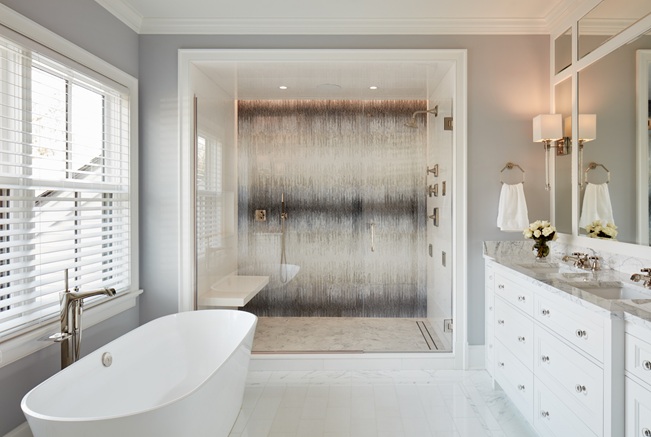
Before falling in love with a particular shape or scrolling through endless galleries of glossy bathtubs, there are a few practical considerations that will guide you toward the perfect match. And if you’re looking for a bathtub in Australia, you’ll know beforehand what exactly to ask for.
Bathroom Size and Layout
Measure twice, choose once. Your bathroom’s dimensions dictate not just what will fit, but what will look balanced and comfortable. A large freestanding option might dominate a tiny ensuite, whereas a neat alcove bath could get lost in a spacious spa-style room. Pay attention to plumbing locations, door swings, and how much clearance you’ll need for cleaning and future maintenance.
How You Actually Use Your Bath
This is where lifestyle steps in. Do you enjoy long, luxurious soaks after a stressful day? A deeper soaking bath may be ideal. If you have small children, a practical shape with wide edges can make bath time easier. For those with mobility challenges, consider whether a walk-in or low-lip design would be beneficial. Your comfort and convenience should lead the way.
Budget and Installation Requirements
Your budget isn’t just about choosing the bath itself—it also includes installation, plumbing adjustments, structural reinforcement (especially for heavier materials), and any surrounding tiling or finishing. A bathtub Australia supplier may offer a range of prices, but be sure to factor in ongoing maintenance too.
2. Bathtub Styles Explained
Understanding the most popular styles will help you decide which type ticks both your aesthetic and practical boxes. Below are the main contenders in the world of bathtubs, and the charm and set of perks of each.
Alcove Bathtub
The alcove bath is the classic, no-fuss option. Installed between three walls, it’s brilliant for smaller bathrooms and also ideal if your bath doubles as a shower. Alcove tubs are practical, space-savvy, and typically easier on the wallet.
Freestanding Bathtub
The showpiece of modern bathrooms, freestanding tubs bring a sense of luxury and airiness. Available in oval, rectangular, slipper, and curved silhouettes, they thrive in rooms with enough floor space to breathe. If your goal is to create a spa-like focal point, look no further.
Drop-In Bathtub
With drop-in bath tubs, the tub sits inside a customised frame or deck, allowing for creative finishes and added storage. They blend seamlessly into the overall bathroom design and are excellent for achieving a refined, built-in look.
Corner Bathtub
Great for awkward layouts or underutilised corners, these triangular beauties often feel larger than you’d expect. They’re a fantastic choice for couples who enjoy soaking together, or for anyone wanting the comfort of a wider bathing zone.
Walk-In Bathtub
Designed with safety and comfort in mind, walk-in tubs offer a door for easy access, built-in seating, and non-slip surfaces. They’re ideal for seniors or individuals with reduced mobility, providing a luxurious yet practical bathing solution.
Clawfoot & Pedestal Styles
If your home has a heritage aesthetic, or you simply love a touch of timeless elegance, clawfoot or pedestal baths add instant character. They also pair beautifully with vintage taps and classic floor tiles.
3. Bathtub Materials: Pros and Cons
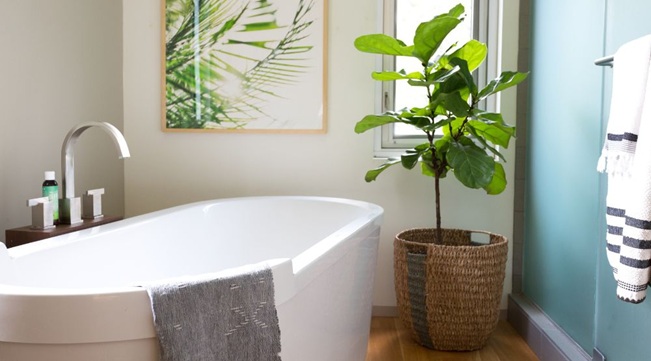
The material you choose affects not only how your bath looks, but also how long it lasts, how easy it is to clean, and whether it feels piping hot or worryingly chilly during a soak.
Acrylic
Lightweight, affordable and warm to the touch, acrylic is one of the most popular choices. It holds heat well and is easy to repair if scratched. On the downside, it can be less durable over the long term compared to heavier materials.
Fibreglass (FRP)
A budget-friendly option that’s also lightweight and easy to install. Fibreglass can, however, be prone to fading or cracking over time, making it better suited to guest bathrooms rather than your main soaking haven.
Cast Iron
A classic for a reason. Cast iron tubs are exceptionally durable and offer superior heat retention. They’re coated with enamel for a glossy finish that looks premium for decades. The catch? They’re extremely heavy, often requiring reinforced flooring.
Porcelain-Enamelled Steel
These provide the look of cast iron at a fraction of the cost and weight. They’re smooth, easy to clean, and sleek in design. However, they can chip if something heavy is dropped on them.
Stone Resin/Solid Surface
The darling of contemporary design, stone resin is smooth, matte, and beautifully sculptural. It retains heat exceptionally well and lends a high-end feel without the expense of natural stone. Slightly heavier and pricier than acrylic—but worth it for the aesthetics.
Natural Stone
Think marble or granite. Nothing says luxury like bathing in carved stone. The downside? These are exceptionally heavy, require sealing and care, and often cost as much as a small holiday.
Metal Options (Copper or Stainless Steel)
Copper tubs offer unique warmth and natural antimicrobial properties, while stainless steel lend a minimalist modern flair. Both are striking and durable, though their bold appearance may not fit every bathroom style.
4. Current Trends & How to Match Them to Your Style
The world of bathroom design evolves quickly, and today’s trends bring together comfort, sustainability, and personal expression.
Curved Shapes and Organic Silhouettes
Soft, flowing lines are reigning supreme in 2025. These shapes create a sense of calm and pair perfectly with both minimalist and modern interiors. If your bathroom feels a little boxy, a curved bath can soften the space instantly.
Earthy Tones and Matte Finishes
Neutral, nature-inspired hues are increasingly popular. They offer warmth and sophistication to the room and pair beautifully with timber finishes or brushed metal tapware.
Spa-Inspired Features
Hydrotherapy jets, chromotherapy lighting, and ergonomic headrests are becoming more common, even in standard residential homes. With wellness trending globally, creating a personal sanctuary at home has never been easier.
Sustainable Bathing
Eco-friendly materials and water-saving designs are a growing priority. Many manufacturers now focus on recycled materials, low-water deep-soak shapes, and long-lasting construction—a win for both the environment and your utility bill.
Mixing Metals
Brushed gold taps with matte black accessories? Yes, please. Mixing metals adds personality without overwhelming the space. It’s an easy way to keep your bathroom feeling polished but relaxed.