


A milling machine is one of those tools that quietly defines what a workshop is capable of. It takes raw stock, like metal, plastic, even composites, and turns it into precise, functional parts with clean edges and exact dimensions.
For engineers, fabricators, and serious hobbyists, it’s not just another machine; it’s the difference between rough shaping and true precision. From cutting slots and drilling holes to contouring complex surfaces, it handles tasks that would otherwise require multiple tools and far more time.
What makes it indispensable is control. Every adjustment, from feed rate to cutting depth, directly affects the final result. That level of precision is what allows consistent, repeatable work, whether you’re producing a single custom piece or a batch of identical components.
Compare and Choose Wisely
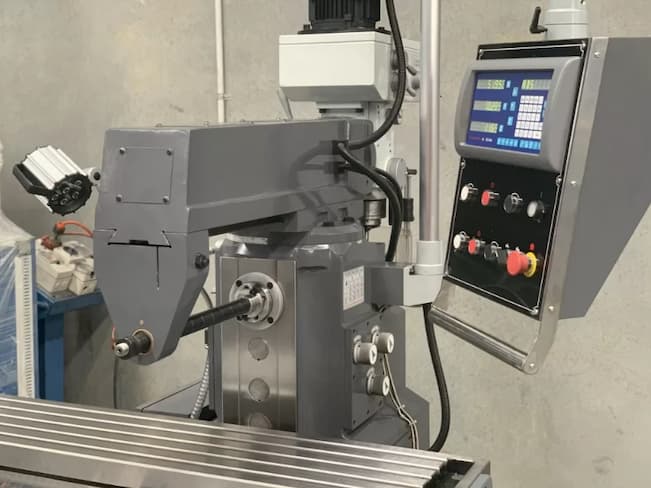
There are three main types: vertical, horizontal, and universal/bed-type mills.
- Vertical milling machines have a spindle that runs vertically, moving the cutting tool up and down. They’re highly versatile, ideal for drilling, slotting, and precision shaping, and are often favoured for smaller, detailed projects.
- Horizontal milling machines feature a spindle that runs horizontally, which allows the cutting tool to engage the material across its surface. This setup is excellent for heavier, bulkier workpieces and long, continuous cuts. Horizontal mills often excel in durability and efficiency for production runs.
- Universal or bed-type mills combine features of both vertical and horizontal machines, allowing the worktable or spindle to adjust and accommodate more complex tasks. These machines provide maximum flexibility for shops that handle a wide variety of materials and cuts.
- Manual machines in each type offer direct hands-on control, ideal for learning or small-scale work, while CNC variants automate complex operations with high repeatability. By comparing these types, buyers can match a milling machine to the scale and nature of the projects they intend to tackle.
The advantage of browsing a milling machine online is that you can easily compare specifications side by side, such as spindle travel, motor power, table size, and footprint, helping to see which type will perform best for your workshop. This clarity ensures you pick a machine suited to both your current needs and future projects.
That’s why selecting a milling machine online with the right balance of spindle range, structural strength, and working capacity for your materials and workload is the difference between clean, accurate results and constant adjustments that disrupt your workflow.
Spindles, Speed, and Sturdy Builds
At the core of any milling machine are its technical capabilities. Spindle speed plays a major role in how effectively different materials can be machined. Lower speeds provide the torque needed for tougher metals, while higher speeds are better suited for finer finishes and softer materials. Machines with variable speed control offer far greater flexibility across different tasks.
Equally important is the working area. Table size and travel determine the scale of projects the machine can handle, while rigidity ensures accuracy is maintained under load. A solid frame reduces vibration, which in turn improves surface finish and extends tool life. Features like precision-ground components, stable column construction, and reliable control systems all contribute to consistent performance.
Balancing Budget with Precision
Price is always part of the decision, but focusing solely on upfront cost can be misleading. A cheaper machine might seem appealing at first, yet limitations in power, rigidity, or durability often show up quickly once real work begins. On the other hand, investing in a machine with slightly higher capability than immediately required can provide room to grow without needing an early upgrade.
The goal is to match the machine to the type of work being done. Occasional, light-duty tasks may only require a smaller unit, while frequent or heavy machining demands a more robust setup. It’s also worth considering how the machine fits alongside other tools in the workshop. Some equipment can complement its capabilities, reducing strain on the machine and improving overall efficiency.
Choosing, Setting Up, and Using It Right
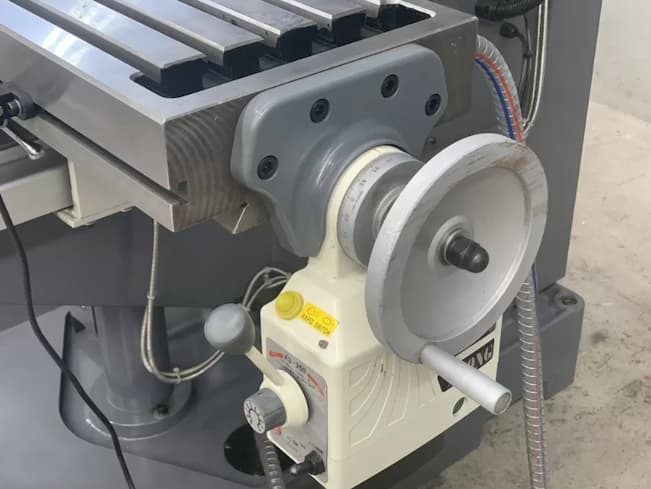
Keep the following in mind before committing:
- Measure your workspace to ensure the machine fits comfortably and safely.
- Check power requirements to confirm compatibility with your setup.
- Match the machine to your materials to avoid underperformance or strain.
- Select appropriate tooling to support accurate and efficient machining.
- Secure workpieces properly to maintain stability during operation.
- Adjust speeds and feeds correctly to improve finish and extend tool life.
- Maintain the machine regularly to prevent wear and ensure longevity.
- Inspect components frequently to catch issues before they affect performance.
Building a Complete Workshop
A milling machine works best as part of a broader system. Supporting tools for drilling, cutting, and shaping help create a workflow where each stage connects smoothly to the next. Instead of relying on one machine for everything, spreading tasks across complementary equipment reduces wear and improves overall output.
Precision at Your Fingertips
A milling machine sets the standard for what a workshop can achieve. Its ability to deliver accuracy, consistency, and control makes it a long-term investment rather than a short-term purchase. Choosing the right one means looking beyond basic specs and considering how it will perform in real conditions, day after day. With the right balance of capability, durability, and proper setup, it becomes the backbone of precise, reliable work.