


When you use a CPAP machine every night, it’s easy to focus on your mask, humidifier, or machine settings. Your hose, on the other hand, tends to fade into the background until something goes wrong.
Yet your tubing works hard every single night. It bends and moves as you change sleeping positions, carries a steady flow of air to your mask, and puts up with regular cleaning and handling. Over time, all that use starts to show.
A worn hose can make your therapy less comfortable and create frustrations that interrupt a good night’s sleep. The good news is that most hoses give you plenty of clues before they need replacing. Once you know what to look for, it’s much easier to stay ahead of potential problems.
Why Replacing Your Tubing Matters
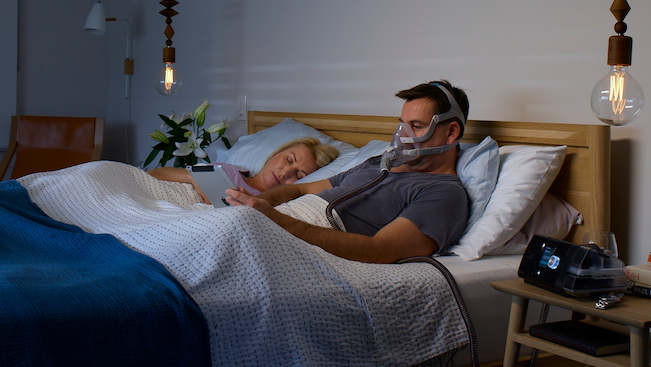
Your CPAP hose might seem like a simple piece of equipment, but it plays a big role in your nightly routine. Every breath of pressurised air travels through the hose before reaching your mask, making it an essential part of your therapy setup.
When your tubing is in good condition, you can settle into bed without giving it a second thought. Air flows smoothly, your mask stays comfortable, and your therapy works as intended.
As the hose ages, however, small issues can begin to appear. Tiny leaks, stiffness, and wear around connection points can gradually affect comfort and performance. You might notice unusual noises, struggle with moisture build-up, or find your hose becoming more difficult to position during the night. Replacing CPAP hoses helps you maintain a comfortable, reliable setup and gives you one less thing to worry about when you’re ready for sleep.
7 Signs It’s Time to Replace Your CPAP Hose
1. You Can See Cracks, Splits, or Other Damage
Sometimes the signs are obvious. If you notice cracks, tiny holes, worn patches, or damage around the ends of your hose, it’s worth paying attention. These weak spots often develop gradually, especially in areas that bend frequently or connect to your machine and mask. A quick inspection now and then can help you spot problems before they become bigger headaches.
2. Your Hose Starts Making Unusual Noises
If you’ve suddenly started hearing hissing, whistling, or faint air-leak sounds, your hose could be the culprit. Small leaks aren’t always visible, but they’re often easy to hear. If your mask appears to fit properly and your machine is functioning normally, check the tubing for signs of wear. Sometimes, a tiny split is all it takes to create an annoying noise that keeps drawing your attention throughout the night.
3. The Hose Feels Stiff and Difficult to Move
A new hose usually feels flexible and easy to position. It moves with you as you roll over, stretch out, or change sleeping positions. As tubing ages, it can become noticeably stiffer. Instead of moving naturally, it may pull against your mask or feel awkward to arrange around your bed. If your hose seems to have lost its flexibility, replacing it can make your setup feel far more comfortable again.
4. Unpleasant Smells Stick Around
Nobody wants to climb into bed and be greeted by a strange smell coming from their CPAP equipment. Regular cleaning usually keeps tubing fresh, but older hoses can sometimes hold onto odours no matter how thoroughly you wash them. If the smell keeps returning despite proper cleaning and drying, the material may simply be reaching the end of its lifespan.
5. Condensation Has Become a Regular Problem
A little moisture inside your hose from time to time isn’t unusual. Constant condensation, however, can quickly become frustrating. If you’re regularly waking up to water droplets, gurgling sounds, or moisture collecting inside the tubing, it may be worth taking a closer look at your setup. While room temperature and humidifier settings can contribute, ageing tubing can sometimes make the problem more noticeable.
6. The Hose Constantly Kinks or Tangles
You shouldn’t have to wrestle with your hose every night. Over time, tubing can lose its shape and become more prone to twisting, tangling, and kinking. This can make it harder to get comfortable and may leave you adjusting your setup throughout the night. When your hose seems determined to work against you instead of with you, replacement is often the easiest fix.
7. You’ve Had It for Quite a While
Sometimes there isn’t one dramatic sign that stands out. Instead, you might notice several small annoyances creeping in at once. The hose feels a little stiffer. It doesn’t sit quite as comfortably. You find yourself checking it more often than you used to. If your tubing has seen years of regular use, it’s time for a replacement. Like many frequently used items, CPAP hoses don’t last forever.
How to Choose a Replacement Hose
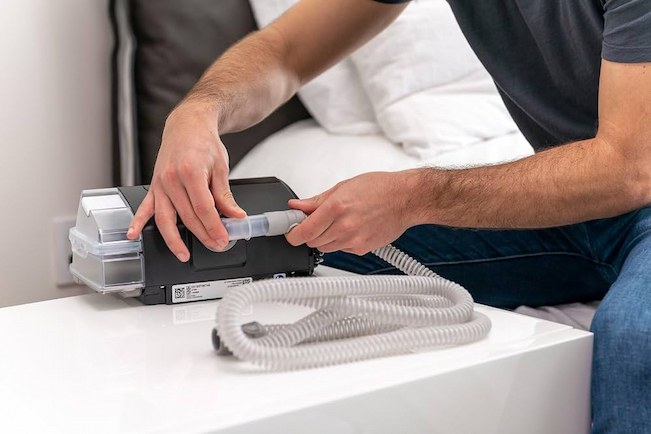
Choosing a new hose becomes much easier when you focus on the issues you’re trying to solve. If condensation regularly disrupts your sleep, heated tubing may improve comfort. If you prefer a lighter setup around the bed, a slimline design may feel less intrusive.
You’ll also find different styles of CPAP tubing, including standard, slimline, and heated options. Taking a few minutes to think about your sleep habits can help you make the right choice.
Before purchasing, always check compatibility with your machine. A little research upfront can save plenty of frustration later.
How to Make the Hose Last Longer
While every hose will eventually need replacing, a few simple habits can help you get the most from your equipment.
- Clean your tubing regularly and allow it to dry completely before reconnecting it to your machine. Moisture left inside the hose can create unnecessary issues over time.
- When you’re not using your equipment, store it somewhere cool and dry. Avoid leaving it in direct sunlight or areas that experience extreme temperatures.
- It’s also worth checking your hose every couple of weeks. A quick visual inspection can help you spot early signs of wear before they become larger problems.
- Most importantly, handle your CPAP tubing gently. Avoid pulling it unnecessarily, bending it sharply, or storing it in a way that puts stress on the material. A little care can go a surprisingly long way.