


Efficient material handling is central to both professional and domestic settings. From warehouses to retail shops, even households, the ability to move heavy or awkward loads safely can save time and prevent injuries. Reliable equipment transforms difficult tasks into manageable ones, keeping operations smooth and reducing physical strain.
What Makes Hand Trucks Essential
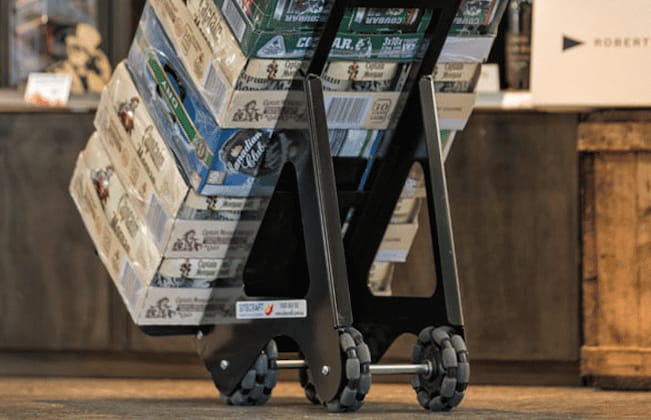
Hand trucks are two‑wheeled manual tools designed to transport loads by tilting the frame and rolling. They are indispensable in logistics, hospitality, and maintenance because they reduce injury risk, improve productivity, and make handling safer.
Studies on manual handling show that repetitive lifting is a leading cause of musculoskeletal disorders; using equipment like hand trucks significantly lowers this risk by shifting the effort from the body to the wheels. That said, investing in hand trucks designed for the loads you handle every day can transform heavy lifting into a safer, faster, and more efficient routine.
Everyday Applications
Hand trucks are versatile across industries:
- Logistics and warehousing: moving boxes, crates, and equipment efficiently.
- Retail and supermarkets: restocking shelves and transporting bulk goods.
- Hospitality and events: shifting supplies, furniture, or catering equipment.
- Residential use: assisting with moves or handling heavy appliances.
Global demand for hand trucks continues to grow, driven by e‑commerce and last‑mile delivery needs. The market is projected to expand steadily, reflecting their ongoing importance in material handling. In Australia, workplace safety regulations emphasise reducing manual lifting, further encouraging the use of such equipment.
Sustainability and Long‑Term Value
Beyond immediate utility, hand trucks contribute to sustainability. By reducing reliance on powered equipment for smaller loads, they cut energy use and emissions. Durable designs mean fewer replacements, lowering waste. Aluminium models, in particular, are recyclable, adding to their environmental value.
Investing in quality equipment also saves money long‑term. A well‑chosen hand trolley can last for years, reducing replacement costs and downtime. For businesses, this translates into better efficiency and lower operating expenses.
Another overlooked benefit is noise reduction. Unlike powered equipment, hand trucks operate quietly, which is valuable in settings such as hospitals, libraries, or residential complexes where noise control matters. Their simplicity also means fewer mechanical failures, ensuring consistent reliability.
Exploring Options and Choosing the Right Fit
Different models suit different needs:
- Aluminium frames: lightweight, corrosion‑resistant, and easy to manoeuvre.
- Steel frames: heavy‑duty strength for industrial loads, though heavier to handle.
- Convertible designs: switch between two and four wheels for versatility.
- Stair‑climbing models: rotating wheel assemblies allow safe movement up steps.
Aluminium balances strength with lightweight handling, making manoeuvring easier. Steel excels in durability and load capacity but adds extra weight. Choosing between them depends on whether portability or strength is the priority.
When selecting, consider load capacity, wheel type, and environment. Pneumatic wheels absorb shock outdoors, while solid rubber wheels suit smooth indoor floors. Handle styles and toe plate size affect comfort and stability.
Durability and ergonomics are critical. Reinforced frames withstand repeated use, while ergonomic handles reduce wrist strain. Folding designs save storage space, especially in smaller workplaces. Safety features such as non‑slip grips and wide toe plates help prevent accidents.
Tips Before You Buy
Before investing, keep these points in mind:
- Weight rating: Match the truck’s capacity to expected loads.
- Wheel type: Pneumatic wheels for outdoor terrain, solid wheels for indoor use.
- Storage space: Folding models are practical if space is limited.
- Ease of use: Ergonomic handles and balanced frames improve comfort.
- Durability: Steel for heavy industrial use, aluminium for lighter, more frequent handling.
Safety should never be overlooked. Common hazards include fingers caught between the frame and walls or strains from improper use. Training staff to tilt loads correctly and avoid overloading reduces risks. Employers in Australia are encouraged to provide manual handling training, and hand trucks are often highlighted as a recommended tool in such programs.
It’s also worth considering maintenance. Regularly checking wheels for wear, tightening bolts, and cleaning frames extends lifespan. Simple upkeep ensures the truck remains safe and effective for years. In workplaces, scheduling routine inspections as part of safety protocols helps prevent accidents and prolongs equipment life.
Another practical tip is to think about the frequency of use. For occasional household moves, a lightweight folding model may suffice. For daily warehouse operations, investing in a heavy‑duty option pays off in durability and efficiency. Matching the tool to the workload ensures maximum value.
Making Work Easier
The right-hand truck is more than just a tool; it’s a safeguard against injury, a boost to productivity, and a way to simplify everyday tasks. Whether in a warehouse, shop, or home, choosing carefully ensures smoother operations and less physical strain.
With durable materials, ergonomic design, and the right features, hand trolleys remain one of the most practical solutions for moving heavy loads safely and efficiently. Their adaptability across industries and contribution to sustainability make them a smart choice for anyone looking to improve handling efficiency.