


Creating art is very central to Aboriginal culture. It reflects the connection that Australia’s First Peoples have with the land, stories and spirituality. Supporting and appreciating Indigenous art is an enriching and meaningful journey you can embark on by buying Aboriginal clothing and homewares.
Clothing
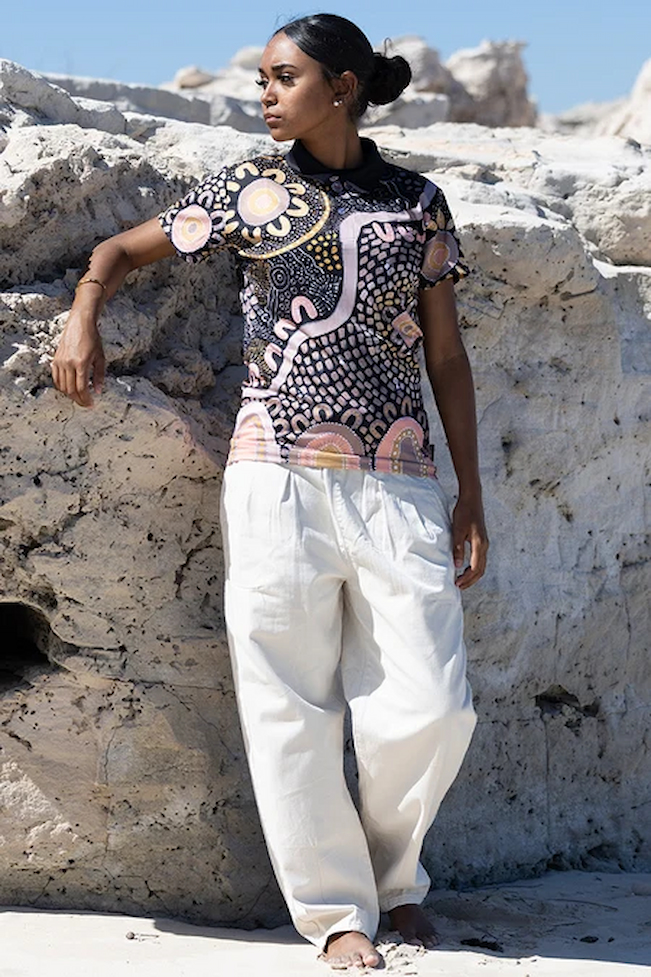
Wearing clothing created by or in collaboration with First Nations artists is an opportunity to support their work and introduce colour, pattern and personality into your wardrobe.
When styling these pieces, it’s often best to let them take centre stage. A shirt, scarf or dress featuring Indigenous artwork already makes an impact, so pair them with simple clothing and accessories instead of wearing multiple “Indigenous-inspired” prints and motifs. This keeps the focus on the artwork while avoiding a look that feels costume-like or disconnected from its cultural significance.
Also, when buying Aboriginal clothing Australia-wide, take a moment to learn about the artist and the story behind the design. Many brands share this information with each collection.
It’s also important to choose Aboriginal clothing carefully. Unfortunately, some businesses and individuals reproduce Aboriginal and Torres Strait Islander artwork without permission from the artists who hold the rights to them. These unauthorised products deny artists recognition and income, and overlook important cultural protocols.
To help ensure your fashion choice supports the right people, look for Aboriginal clothing Australia-wide sold by reputable Indigenous-owned businesses or brands that work directly with Aboriginal and Torres Strait Islander artists under licensed collaborations. This ensures artists are recognised and fairly rewarded for their work while allowing you to wear designs that carry genuine cultural meaning.
Another thing to keep in mind is that most authentic Aboriginal fashion is made to be worn on everyday occasions. However, some designs, symbols, and patterns carry specific cultural meanings and may be appropriate only for certain occasions. Such designs may represent stories, ancestral beings, ceremonies and cultural knowledge connected to a particular community or cultural group.
Therefore, when choosing clothing with Indigenous art, check the artist’s information or the brand’s explanation of the design to better understand its meaning and ensure it is being shared appropriately.
Can Non-Indigenous People Wear Aboriginal Clothing?
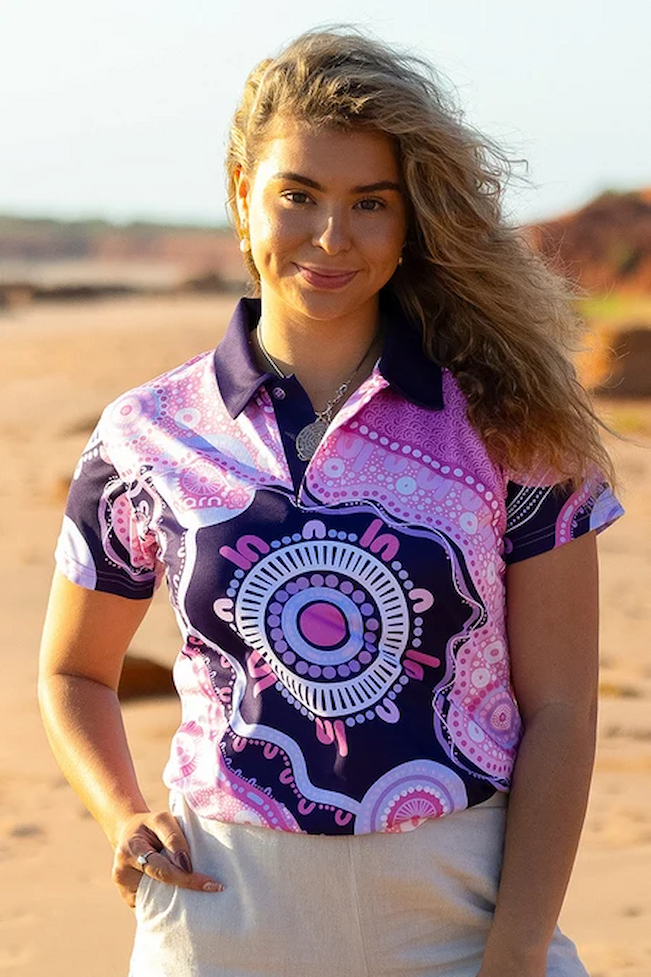
If you’re not First Nations yourself, you may have found yourself asking if it’s okay to wear Aboriginal fashion, and it’s a fair question to ask. Most Aboriginal designers create their fashion lines to be worn by all people. Wearing clothing designed by Aboriginal artists who are properly credited and compensated for their work is acceptable when done genuinely and respectfully.
Homewares
Adorning your home interior with Aboriginal artwork is a simple and unique way to add some charm to it. The pieces you choose should complement the colour palette, furniture and your taste and preferences. Before exploring what’s out there, take the time to find what you like and learn more about Indigenous art from different regions.
For instance, Aboriginal art from Central Australia is often recognised for its intricate dot painting techniques, which can represent landscapes, ancestral stories and connections to Country.
In Arnhem Land in the Northern Territory, artists are known for bark paintings and detailed cross-hatching designs that share stories of creation, land and cultural knowledge.
In the Kimberley region of Western Australia, artworks often feature earthy colour palettes like rich reds, browns, blacks and natural ochre tones, with some artists using layered shapes and flowing forms.
In Far North Queensland and the Torres Strait Islands, you’ll often see vibrant colours, bold patterns and designs inspired by coastal landscapes and marine environments. These regional differences create a wide variety of styles, from detailed and symbolic works to bright, contemporary designs. Knowing these regional differences can help you find artwork that suits your home and connects you with the stories and traditions behind each piece.
Next, take a look at your home interior. If it leans towards a minimalist aesthetic, with neutral hues and simple lines, you can allow yourself a little more freedom when choosing homewares and let the art and homewares you choose become the focal point in the room.
Choose several smaller Aboriginal homewares, such as cushions, ceramics or decorative pieces, and style them together to create a layered look. Alternatively, you can go for a large piece that demands attention, such as a handcrafted bowl, sculpture or woven artwork. If you’re not sure how to choose art and homewares for your home, it’s best to consider those pieces you find interesting and evoke a reaction in you.
Again, if you’re considering adding Indigenous paintings, prints, sculptures, ceramics or woven rugs to your interior, make sure you buy authentically and ethically. It matters because for many Aboriginal communities, art sales are the main source of income. When unauthorised replicas and inauthentic pieces enter the market, they can take away opportunities from the artists who created the work and prevent them from receiving fair recognition and financial benefit.
When in doubt, ask questions and hold your purchase until you get the answers you are looking for.