


Choosing a first cello can feel a little overwhelming, especially when you’re not yet familiar with the differences between instruments. As one of the larger members of the string family, this instrument has four strings and produces a rich, low register that sits below the viola. Its warm, expressive sound has made it a familiar part of orchestras and chamber music for centuries. You’ll also find these instruments being used in less traditional settings, including contemporary and rock music.
Take your time and explore a collection of diverse cellos rather than settling for the first instrument you see. These instruments come in different sizes, and finding one that suits your body and playing experience can make a noticeable difference to comfort and technique. You’ll also find options for beginners, intermediate players and more experienced musicians, so there’s plenty of room to find a model that matches your current ability. Construction is another factor to consider, as different woods, craftsmanship and designs can influence the instrument’s tone, feel and durability. Keep reading to discover the practical details worth considering before making a purchase.
Ideal Category for Your Skill Level
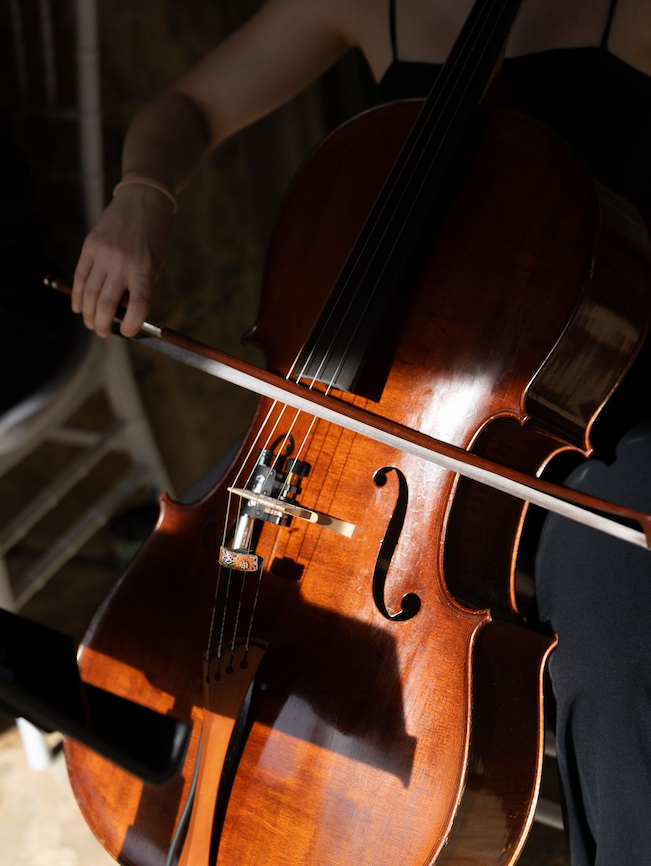
So, what do you look for in a cello? Before comparing individual instruments, think about where the player is in their musical journey. Choosing a model suited to their experience can make learning more comfortable while avoiding unnecessary expense.
- Student: Designed with beginners in mind, these are generally more affordable and offer a practical starting point for children who are still developing their technique.
- Intermediate: A step up in materials and craftsmanship, these options can suit players who have become more committed and want an instrument that can support their progress.
- Professional: Made for advanced musicians who need refined sound, detailed craftsmanship, and a higher level of performance.
String Types
The strings can influence how an instrument feels and sounds, so they’re worth considering before you buy. Unlike guitars, cellos don’t typically use simple nylon strings. You’ll commonly find steel-core, synthetic-core or gut strings, each offering a different playing experience. Steel strings tend to provide a clear, powerful sound and quick response, while synthetic-core options can offer a warmer tone with a comfortable feel. Gut strings are known for their rich, nuanced sound but generally require more care and are less common for beginners.
For a young player, comfort and ease of playing are especially important. If the strings feel too demanding under the fingers, learning can quickly become frustrating. It’s also worth asking a teacher or experienced string specialist for advice, as the right choice can depend on the player’s level, technique, and preferred sound.
Construction
The materials used can tell you quite a bit about construction, appearance, and potential sound of a cello instrument. When shopping online, don’t hesitate to ask the seller for detailed information or photos if the description is unclear. A few features worth checking include:
- Spruce: Traditionally used for the soundboard because of its strength and acoustic properties.
- Maple: Commonly found on the back, sides, and neck, adding both stability and a distinctive appearance.
- Ebony: Often used for fingerboards and fittings such as pegs because it is dense and durable.
- Endpin: Look for an adjustable endpin so the player can position the instrument comfortably.
- Other woods: Materials such as rosewood and boxwood may also appear in various fittings and decorative details.
What’s the Right Size?
While a full-size cello for sale is generally suitable for taller players, younger or smaller musicians may be more comfortable with a ¾, ½, or other smaller size. Height can provide a rough starting point, but it shouldn’t be the only factor. Arm length, hand position, and overall comfort can all affect which option feels natural. If your child is between sizes, try the smaller one to make playing easier and more manageable. When shopping online, check the retailer’s return policy and, if possible, have your child try the instrument before committing. A good fit should allow them to sit comfortably, reach the strings and bow naturally without having to stretch or strain.
Importance of a Good Bow
The bow is just as important as the instrument itself, so give it some attention when you’re shopping. Traditional bows are often made from Pernambuco or Brazilwood, with Pernambuco generally regarded as the more premium option for its strength and playing qualities. If you’re looking for something more affordable or durable, carbon-fibre and fibreglass bows are also popular choices.
For a young player, comfort should be a priority. The bow should feel balanced in their hand and be easy to control without causing unnecessary strain. There’s no need to spend a fortune on the first bow, either. Look for something that suits their current ability, feels comfortable to use, and fits comfortably within your budget.
Cello Accessories
Don’t forget about the extras that make owning a cello easier. A sturdy stand and a well-padded case can help protect it from bumps and scratches, while an endpin rest can keep everything securely positioned during practice. It’s also smart to have a spare set of strings on hand. They may last a long time with proper care, but having replacements ready means a broken string won’t bring practice to an unexpected stop.