


Brake pads are small components with a serious job: they press against the brake rotors to create friction, converting the vehicle’s movement into heat and slowing it down. In a ute, that work can vary greatly from one day to the next. City traffic brings repeated low-speed braking, while towing, carrying tools or travelling on steep country roads places heat and load on the braking system.
That is why brake-pad condition matters well beyond an occasional squeal. Worn friction material can affect braking response, while uneven wear may be an issue with the rotor, calliper or associated hardware. Noise, vibration through the pedal, a pull under braking or a longer stopping distance all deserve prompt inspection rather than a wait-and-see approach.
Brake pads do not have one universal replacement interval. Their lifespan depends on driving style, payload, terrain and how often the brakes are used. Regular servicing is the most reliable opportunity to assess pad thickness and rotor condition before wear becomes a larger repair.
The Fit Beneath the Wheel
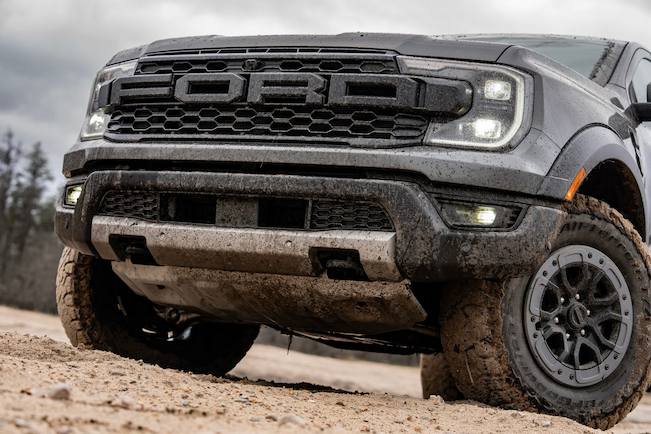
Correct fitment is the foundation of any brake replacement. The quality Ford Ranger brake pad refers to a vehicle-specific friction component designed to work with a particular front brake arrangement, not a one-size-fits-all part. Build year, engine configuration, and brake dimensions can all affect which set belongs on the vehicle.
Many Ranger applications use front disc brakes, where pads sit inside the calliper and clamp onto a spinning rotor. Earlier and later versions can differ in their front brake specifications, so a part that suits one model year may not suit another. Some Rangers also have different rear-brake arrangements, making it especially important to identify whether a component is intended for the front or rear axle before ordering.
Brake pads should be renewed as a matched pair across the same axle, rather than individually on one wheel. Doing so helps maintain even braking force from left to right and avoids creating an imbalance in how the vehicle responds under braking. The right Ford Ranger brake pad has to deliver dependable friction every time the front brakes are called upon, from a sudden traffic stop to repeated braking on a loaded descent.
Friction for Work, Travel and Changing Conditions
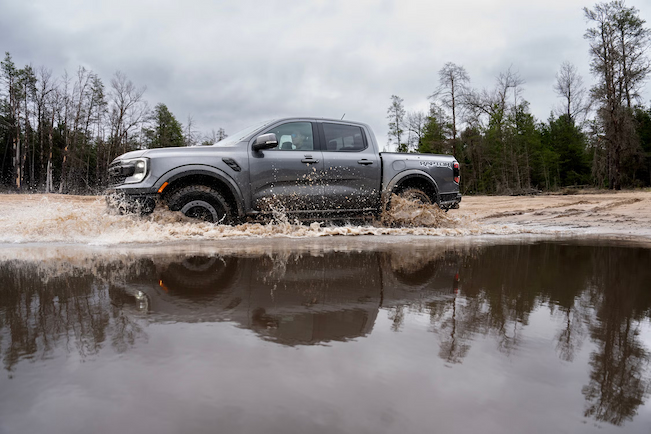
Not every driving routine asks the same thing of a brake pad. A Ranger used mainly for suburban and highway travel may benefit from a quieter, lower-dust ceramic-style compound. Ceramic pads are valued for refined everyday performance and can help keep wheel dust to a minimum in suitable applications.
Heavier work calls for a different balance. Towing, carrying regular loads, descending long hills or travelling over uneven terrain can generate more heat, which makes consistent friction and resistance to fade important. In these conditions, a more heavy-duty compound may be better suited to repeated high-temperature braking.
Rotors are part of that decision as well. Pads and rotors wear together, and a damaged, heavily scored or out-of-spec rotor can compromise the result of a new pad set. Matching compatible components helps create an even contact surface during bedding-in, supporting smoother pedal feel and predictable braking.
Available front-brake packages generally fall into a few practical categories. Standard replacement rotors are intended for straightforward everyday renewal. Slotted rotor designs use channels on the braking surface to help clear gases and brake dust generated during harder use.
Dimpled-and-slotted designs combine surface dimples with slots, offering another performance-focused option for drivers who demand more from their front brakes. Each type still needs to match the correct vehicle application and be paired with compatible pads.
A few careful steps can prevent an otherwise suitable replacement from becoming the wrong choice:
- Confirm the exact vehicle details and front-axle fitment before selecting brake components.
- Consider the vehicle’s usual work, including towing frequency, load carrying, traffic and steep-road driving.
- Inspect the existing rotors, calliper movement and pad wear pattern when the brakes are serviced.
- Replace pads as an axle set and follow the recommended bedding-in process after installation.
- Arrange professional assessment immediately if there is grinding, persistent squealing, vibration, pulling or a brake warning light.
Current manufacturer guidance for newer Australian-delivered models also advises checking both the inner and outer pads and brakes and replacing them as an axle set when necessary. A properly matched Ford Ranger brake pad choice supports the braking system as a whole, rather than treating the pad as an isolated part.
A Quieter and Smoother Finish to Every Journey
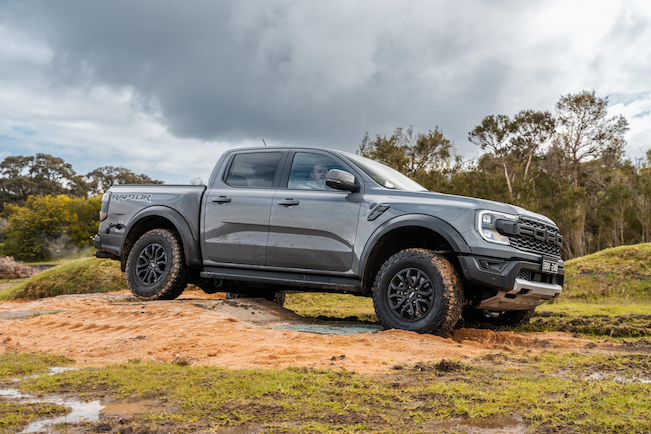
Reliable braking comes from combining sound maintenance with parts that suit the vehicle and its daily demands. Ford Ranger brake pads need to fit the correct front brake system, work with the rotors in serviceable condition and provide the right balance of quiet operation, heat control and durability for the way the ute is used.
Whether the vehicle spends its time on school runs, job sites, motorways or dirt roads, informed Ford Ranger brake pad selection keeps attention on what matters most: smooth, controlled stops when they are needed.