


Healthy, well-maintained trees can add beauty, shade and value to a property, but they can also become a safety concern when they are damaged, diseased or growing too close to buildings and powerlines. Knowing when a tree needs professional attention can help prevent small problems from becoming more serious or expensive.
This is where qualified arborists can help. An arborist or a tree surgeon is a trained tree-care professional who understands how trees grow, how their structure works and what can affect their health and safety. Their role is not simply to cut branches or remove trees. Instead, they assess a tree’s condition, identify potential risks, and recommend the most suitable care. If you are thinking about hiring an arborist, understanding what they do and what to look for can help you make a more informed choice.
What Does an Arborist Do?
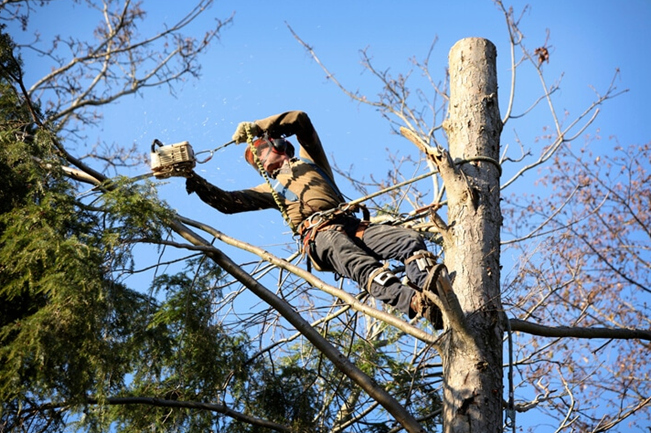
The work of an arborist covers much more than cutting back or removing trees. Arborists care for trees throughout their life, helping them stay healthy, structurally stable and safe in urban and residential environments. Their work can include assessing trees, diagnosing problems, pruning, treating disease and removing trees when necessary.
Tree Health and Safety Assessments
One of the main roles of an arborist is assessing a tree’s overall health and condition. They look for signs of disease, pests, decay and structural defects, as well as changes that may indicate the tree is under stress. They also assess potential hazards and risks, considering the tree itself and what surrounds it. From there, they can recommend the right treatment or long-term care plan.
Pruning and Tree Maintenance
Arborists prune trees for different reasons, including removing dead or damaged branches, managing storm damage, improving structure and keeping branches clear of buildings or other infrastructure. Pruning can also help maintain a tree’s appearance. However, excessive cutting or improper pruning can weaken a tree and cause further problems, so it is important to use the right techniques.
Tree Removal and Stump Grinding
Sometimes a tree cannot safely remain where it is, particularly if it is severely damaged, diseased or poses a significant risk to people or property. However, removal is not always the best option, and an arborist may recommend treatment or maintenance instead. When a tree is removed, stump grinding can be used to break down the remaining stump below ground level.
Specialist Tree Services
Depending on their qualifications and experience, arborists may also carry out powerline work, tree diagnosis, site assessments, tree reports and emergency tree services, particularly after storms or other unexpected damage.
When Should You Call an Arborist?
Knowing the warning signs of a tree problem can help you decide when professional advice is needed. Consider contacting a tree care specialist if you notice:
- Dead or hanging branches
- Cracks or splits in the trunk or major branches
- Cavities or visible hollows
- Fungal growth around the tree
- Significant leaning or changes in its position
- Damaged roots
- Sudden changes in foliage
- Signs of pests or disease
- Storm damage, including broken or split branches
- Branches growing close to buildings, fences or other structures
- Trees growing near powerlines
A potentially unhealthy tree isn’t automatically a dangerous tree, and a dangerous tree isn’t automatically one that needs removal. A qualified tree professional can assess the risk and recommend whether pruning, treatment or another solution is appropriate. Professional help is also important when work involves heights or power lines, or when a tree is protected by local regulations, and you need an arborist report for council approval.
Arborist vs Tree Lopper: What’s the Difference?
The key difference between a tree lopper and an arborist is generally the scope of their work. In Australia, “tree lopper” is a common term for someone who cuts, trims or removes branches and trees. The term often refers to practical tree cutting and maintenance rather than a specific professional discipline.
Arboriculture is the broader field of tree care and management. It covers the health, structure and development of trees, as well as pruning, risk management and preservation. An arborist may assess how a tree is growing, identify structural problems or health issues, and determine what type of work will best support its condition and safety.
That said, the line between the two isn’t always sharp. A tree lopper may have years of hands-on experience and training in tree work, while an arborist’s work can also include practical cutting and removal when necessary. The titles themselves do not automatically determine a person’s skills or qualifications.
Ultimately, the difference is mainly about what the work involves: tree lopping commonly focuses on cutting and removal, while arboriculture takes a broader approach to the care, management and preservation of trees.
Australian Tree Protection Laws: What Property Owners Need to Know
Tree removal and major pruning in Australia are generally regulated at the local council or state level, so the rules can vary depending on where the property is located. Before removing or significantly pruning a tree, it is important to check whether it is protected and whether approval is required.
Many councils and state planning systems have regulations that protect trees based on factors such as their size, species, location or heritage value. Some states also have specific protections for significant trees. For example, in South Australia, a single-trunk tree may be classified as significant when its trunk circumference is 2 metres or more, measured 1 metre above natural ground level. Removing a protected significant tree generally requires development approval and may require an arborist report.
Not every tree is protected. Certain species, including some declared pest plants, may be exempt from these regulations and can usually be removed without approval.
It is important to check the applicable rules before starting work, as unauthorised tree removal can lead to substantial penalties. In South Australia, for example, removing a significant tree without the required approval can result in fines of up to $120,000.
For property owners, checking with the relevant council before removing or heavily pruning a tree can help avoid unexpected costs, delays and penalties.
How Much Does an Arborist Cost?
The cost of hiring an arborist can vary depending on the tree and the type of work needed. As a rough guide, tree services in Australia can range from around $200 for a small, straightforward job to $10,000 or more for large or difficult removals. These are only general prices, and the actual cost will depend on the job.
Some things that can affect the price include:
- Tree size: Taller trees and larger trunks usually take more time and equipment.
- Tree type: Some trees, especially hardwoods, can be harder to remove.
- Access: Tight spaces, slopes or obstacles can make the job more difficult.
- Location: Trees close to houses, fences or powerlines need extra care.
- Stump grinding: This may cost extra if you want the stump removed too.
- Council approval: Some protected trees may need permits or an arborist report.
- Emergency work: Storm damage or after-hours work can cost more.
Since every tree is different, the best option is to request a quote from an arborist. They can inspect the tree, understand what needs to be done and give you a price based on the actual job.
How to Choose the Right Professional?
Choosing the right tree experts is important because tree work can be dangerous and cause serious damage if done incorrectly. Be cautious of “cowboy” tree loppers who offer very low prices, as they may lack the right skills or insurance.
Before hiring someone, consider:
- Qualifications and experience: Ask about their formal training, qualifications and experience with the type of tree work you need.
- Australian Standards: Check whether their work follows relevant standards, including AS 4373 for pruning amenity trees.
- Insurance: Ask for proof of current public liability insurance and workers’ compensation cover where applicable.
- Safety: Find out how they will manage risks, especially if the work is near buildings, fences, vehicles or powerlines.
- Written quote: Make sure the quote clearly explains what is included. Ask whether stump grinding, waste removal and clean-up are covered.
- Reviews: Look at online reviews, testimonials or previous work to see what other customers say about their communication, reliability and quality of work.
What Happens During an Arborist Assessment?
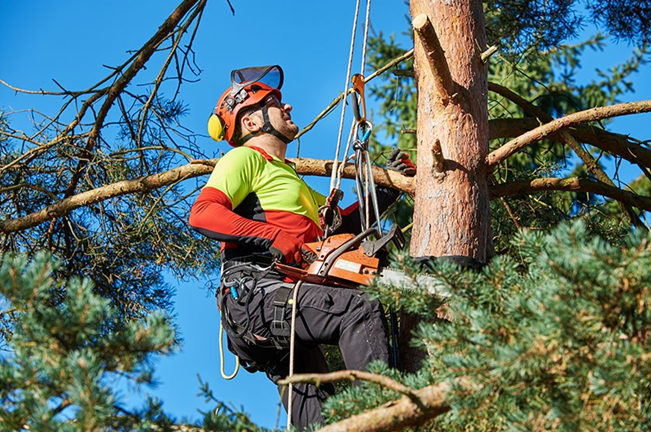
A tree assessment starts with a careful inspection of the tree and the area around it. The tree specialist will usually look at its overall shape, balance and condition, including the canopy, dead branches, signs of disease, fungal growth, cracks and other structural problems.
They will also check the trunk and major branches for weaknesses that could affect the tree’s stability, such as weak branch unions, heavy limbs or previous pruning damage. The roots are another important part of the assessment. Signs of root damage, poor drainage, soil compaction or movement around the base can affect how securely the tree is anchored.
The surrounding area is considered too. The specialist will look at whether the tree could affect buildings, fences, vehicles, powerlines, roads or areas used by people if a branch or the whole tree were to fail.
After the assessment, they can determine the level of risk and recommend the most suitable next step. This could include monitoring the tree, pruning, further investigation, support work or removal if the risk cannot be managed another way. More advanced testing may sometimes be needed when defects cannot be identified through a visual inspection alone.
Final Thoughts
Healthy trees can be a valuable part of any property, but keeping them safe and well-maintained sometimes requires professional advice. An arborist can assess a tree’s health, structure, and potential risks, then recommend the most appropriate course of action. Whether you need pruning, tree removal, ongoing maintenance, or an assessment, choosing a qualified and properly insured professional helps protect your property while giving the tree the best chance of remaining healthy.