


Australia’s first automated traffic lights went live at the corner of Market and Kent Streets in Sydney on 13 October 1933. As the network expanded across the Central Business District (CBD) and state capitals, traffic management evolved rapidly. Today, more than 90 years later, traffic control signals extend far beyond public roads into private and industrial sites—including motorsport tracks, commercial car parks, mines, processing plants, and warehouses—with the core aim of keeping vehicles, machinery, pedestrians and workers safe and moving.
Traffic management is a critical component of Australian workplaces, where vehicle-and-pedestrian collisions are a leading cause of severe injury and death. In high-risk sectors such as warehousing, manufacturing, and construction, energy-efficienttraffic lights and physical controls help separate people from mobile plant and vehicles to prevent fatalities.
Role of the Traffic Light in Commercial and Industrial Settings
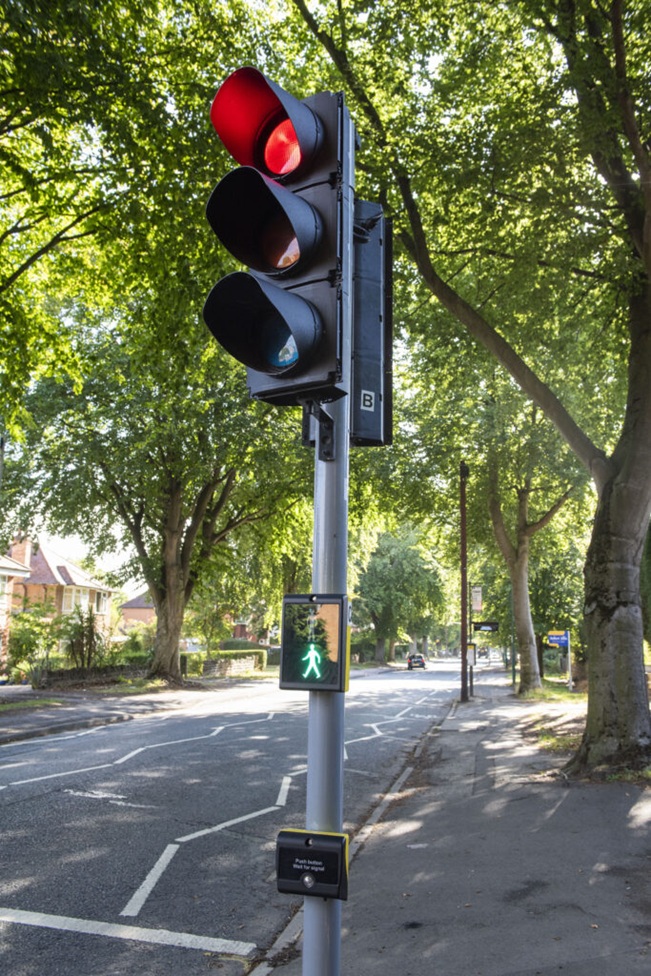
Without effective traffic control measures, busy work zones can become hazardous for workers, motorists, cyclists, and pedestrians. Traffic lights regulate vehicle and pedestrian movement, reduce unwanted bottlenecks and organise busy access points. Their core roles in Australian workplaces include:
- Separation and collision prevention: Traffic lights systematically separate heavy mobile plants, such as forklifts or trucks, from pedestrian walkways to prevent blind-spot collisions.
- Single-lane and blind-spot access: Many narrow or low-visibility areas— industrial sites, warehouses, and parking garages—use automated sensors to control single-lane, two-way traffic. These systems detect vehicles with underground loops or infrared sensors and trigger signals that manage alternating entry and exit to prevent head-on crashes.
- Loading dock and yard management: Signals coordinate traffic movement around busy loading bays, weigh bridges, and automated boom gates, guiding drivers on when it is safe to approach or depart an exclusion zone.
- Temporary worksite control: Standardised traffic control equipment means compliance with safety standards, such as AS 4191. Portable traffic lights replace manual stop-go signs on large industrial, construction, and bridge work sites. This shift protects workers by reducing their exposure to live traffic.
Common Types
Standard Red-Amber-Green LED Lights
These are compact units with 100mm or 200mm heads and are installed at entry and exit gates, vehicle ramps and driveways to regulate one-way or alternating traffic. They are built to meet Australian Standard AS-2144 requirements for optical performance and reliability, feature durable cat aluminium or UV-stabilised polycarbonate housings, and are IP-rated against extreme site temperatures, moisture and outdoor industrial exposure. Their high luminous output comes from bright, high-intensity LEDs to ensure clear visibility in direct sunlight, low-light and dusty conditions. These are driven at low current to prevent premature ageing and extend long-term operational lifespans.
Portable Traffic Light Systems
Portable traffic light systems are engineered for rapid deployment, high visibility and worker protection in temporary and active work sites. They are built and tested to strict standards, ensuring proven performance, signal timing and fail-safe requirements. Equipped with solar panels and 12V lithium iron phosphate (LiFePO4) or maintenance-free deep cycle batteries, they can operate continuously without external power grids. Portable systems are in 2 main configurations: heavy-duty, trailer-mounted units common in road construction, highway maintenance and multi-way intersections; and more compact, lightweight tripod or wheelbarrow units designed for single-person setup and rapid deployment on short-term or mobile maintenance sites.
Sensor-Activated Pedestrian Lights
These feature multiple sensor technologies, including infrared and proximity sensors that allow pedestrians to trigger crossing or warning phases without physical contact; integrated radar and photoelectric beams to detect approaching vehicles and pedestrians in low visibility conditions; and surface-mounted or embedded loop systems to sense heavy vehicles entering loading docks or blind corners. They also feature battery-powered LED modules, standard red-amber-green phases with pedestrian symbols and optional countdown timers, and can be paired with alarms and audible-tactile devices.
Boom-Gate and Access-Integration Lights
These feature a heavy-duty, all-weather construction, high-speed boom gate motors, multiple boom arm options (fixed, folding, telescopic) and integrated low-visibility LED strips. Additionally, the lights include several access control methods, RFID and proximity readers, keypads, mobile apps, swipe cards, and remote controls, as well as built-in or networked camera integration to track vehicle activity, restrict unauthorised access and prevent tailgating.
Key Buying Criteria
Choosing traffic lights for commercial and industrial use requires balancing durability, visibility and compliance with national safety frameworks. Key purchasing criteria are:
- Regulatory compliance: Ensure lights align with strict guidelines set out by SafeWork Australia for workplace traffic management and meet relevant electrical and lighting standards.
- IP ratings: Choose units with high IP-rated housings to protect against dust, rain, heat and harsh outdoor or industrial conditions.
- Visibility and lens technology: Prioritise high-intensity LEDs with built-in visors and contrast backboards to prevent false-signal glare from sunlight or heavy warehouse lighting.
- Power and control integration: Choose low-voltage DC units where possible, or go with standard mains compatibility. Solar options provide versatility in remote locations. Consider sensor integration to seamlessly link light to boom gates, roller doors and machinery.
- Lifespan and warranties: Opt for LEDs rated for 50,000+ operational hours backed by reliable local manufacturer warranties.