


When it comes to cookware materials, cast iron is the name of the game. Although aluminium saw a massive surge in popularity because it was lightweight, affordable, and heated up quickly, modern cast iron cookware continues to win over cooks for all the right reasons.
What Is Cast Iron?
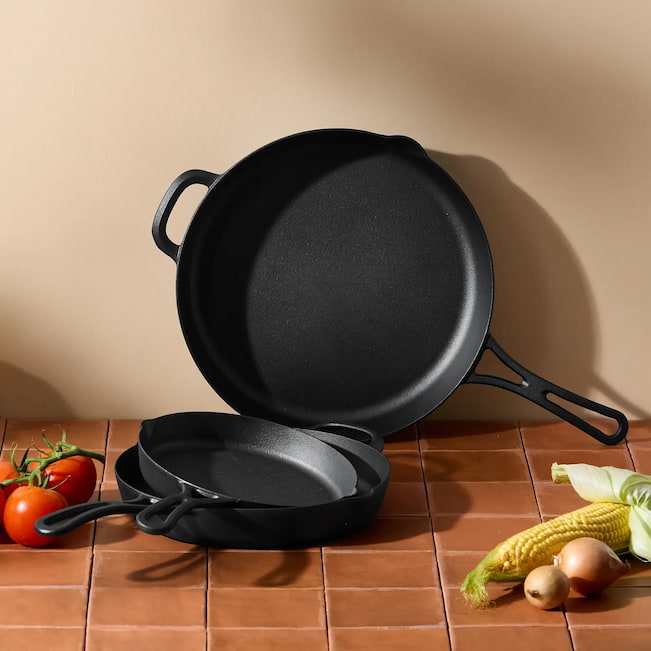
Cast iron is an iron-carbon alloy. Cast iron cookware is made by melting the iron and adding a small percentage of carbon (between 2% and 4%). This mixture is then poured into moulds to form different types of cookware, like frying pans.
The process of manufacturing cast iron, which originated in China in the sixth century BCE, has barely changed since. Cast iron skillets are still made by pouring molten metal into a sand mould. The mould is broken apart when the pan cools, allowing the pan to emerge in one piece (handle included).
The only thing that has changed in modern manufacturing is that machines are used to partially or fully automate the work of pouring molten metal into moulds, and the introduction of innovative design tweaks to handles, shapes, and coatings in an attempt to modernise these timeless skillets.
What Are the Advantages of Cast Iron Cookware?
There are plenty of practical and culinary reasons why a cast iron frying pan deserves a place in your cooking arsenal.
It Can Develop a Nonstick Coating
Cast iron pans are not non-stick. You can leave that to Teflon-coated pans. However, as concerns about the effects of chemical nonstick coatings grow, more cooks have returned to traditional cookware materials such as cast iron.
Cast iron cookware can develop non-stick properties through a process called seasoning. This involves coating the cooking surface with a thin layer of oil and heating it to a high temperature. The heat causes the oil to polymerise, forming a hard, protective layer that bonds to the iron.
Repeating this process builds up the seasoning over time, creating a smoother cooking surface that helps reduce sticking and protects the pan from rust.
It Retains Heat Well
Another advantage of cast iron cookware is its ability to retain heat. This comes down to the material itself. Cast iron is thick, heavy and has a high thermal mass, meaning it can absorb and store a considerable amount of heat.
Once it gets hot, it takes longer to cool down than thinner cookware made from materials such as aluminium or stainless steel.
Good heat retention also makes cast iron suitable for slow cooking, frying and baking. It keeps food warm for longer after you remove it from the heat, which is another reason it’s often taken straight from the oven to the table.
It’s Durable
Unlike pans with delicate non-stick coatings that can scratch, peel, or wear down over time, bare cast iron cookware is made from a solid piece of metal. There’s no synthetic cooking surface to deteriorate with regular use.
Its thick construction makes it resistant to everyday wear and tear, and even if the seasoning becomes damaged or wears away, you can restore it by cleaning the pan and applying fresh layers of oil. This means you don’t have to replace the entire pan just because its cooking surface needs attention.
However, cast iron isn’t indestructible. It can crack if dropped onto a hard surface or exposed to sudden, extreme temperature changes. With sensible handling, proper cleaning, and occasional seasoning for bare cast iron, it’s a long-term piece of cookware that can serve you for decades.
It Can Go Anywhere
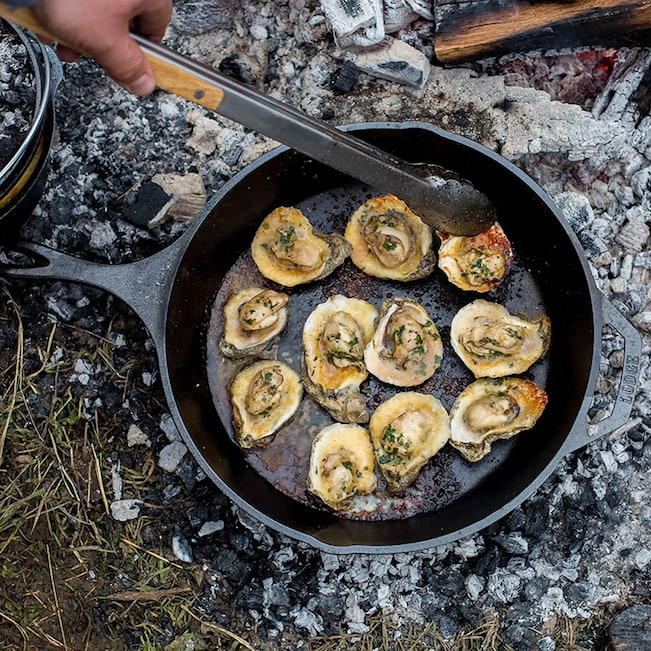
You can use a cast-iron frying pan on any kitchen stovetop, outdoor grill, or open campfire. As already mentioned, cast iron is made from a single, solid piece of metal with the handle cast as part of the pan. Unlike cookware with plastic handles or materials that aren’t oven-safe, traditional cast iron pans have no parts that can melt.
It Can Make Almost Anything
With such a pan, you can sear pork chops, grill steaks, sauté veggies, fry eggs and bacon, bake a gooey skillet cookie, and so much more. Cast iron cookware is versatile because it can handle a wide range of cooking methods and temperatures. Its thick, heavy construction distributes and retains heat well, making it suitable for high-temperature searing, frying, and sautéing both savoury and sweet dishes.
Is Enamelled Cast Iron Better Than Bare Cast Iron?
Not necessarily. Enamelled cast iron pans don’t require seasoning. Their cooking surface is covered with a layer of enamel. This glass-like material creates a smooth, non-porous surface that doesn’t need regular oiling to prevent rust. You can wash it with warm water and dish soap without worrying about stripping away layers of seasoning.
It’s also less reactive with acidic ingredients. You can simmer tomato sauces, wine-based dishes, and other acidic foods without the same concerns associated with bare cast iron.
However, enamel can chip if the pan is dropped or knocked against a hard surface, and it isn’t truly non-stick, so you may still need cooking oil or butter to prevent food from sticking. It’s also suited to extremely high cooking temperatures, as excessive heat can damage the coating over time.