


Hands are involved in almost every workplace task, from handling heavy construction materials to assembling small components and operating machinery. This constant use also makes them vulnerable to cuts, abrasions, punctures, burns and chemical exposure. Choosing the right hand protection is therefore essential, particularly in environments where a small mistake can result in a serious injury.
Modern safety gloves have come a long way from basic leather mittens. Today’s designs combine specialised materials, ergonomic construction and task-specific protective features to help workers handle different hazards without sacrificing comfort or dexterity. Understanding these differences makes it easier to choose gloves that suit your job, the materials you handle and the conditions in which you work.
Core Materials and Construction
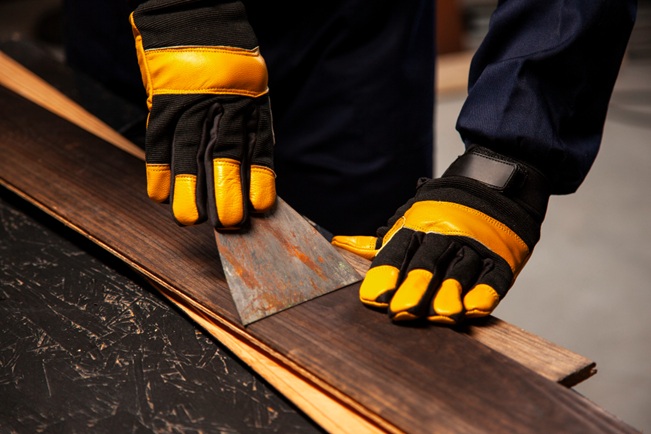
The material used to make functional safety gloves determines much of its performance, including durability, flexibility, grip and resistance to particular hazards. Natural leather remains a popular choice for demanding physical work, while synthetic fabrics and high-performance fibres offer alternatives for tasks requiring precision and specialised protection.
Natural Leathers
Cowhide is valued for its durability, abrasion resistance and versatility. Its relatively thick construction makes it suitable for construction, material handling, welding and other heavy-duty applications, depending on the glove’s design and protective rating. Reinforced leather palms can provide additional resistance to wear in areas exposed to repeated friction.
Pigskin is another practical option, particularly for workers who need a balance between durability and breathability. Its porous structure allows air to circulate more readily than some other leather types. Pigskin can also remain relatively supple after drying, making it useful in certain outdoor environments where gloves may become damp. However, water resistance varies with leather treatment and construction.
Goatskin offers a different combination of properties. It is known for its strength relative to its thickness, along with flexibility and tactile sensitivity. These qualities make it useful for tasks requiring a secure grip and more precise finger movements, including equipment handling and certain mechanical applications.
Synthetic Fabrics and High-Performance Fibres
Synthetic materials expand the range of applications available to modern workwear gloves. Nylon is lightweight, durable and often used in knitted liners that fit closely around the hand. Spandex adds stretch, allowing gloves to move naturally with the fingers and reducing restrictive bunching during repetitive tasks.
High-performance fibres, including high-performance polyethene (HPPE), may be used in gloves designed to resist cuts. The level of protection depends on the fibre blend, construction and coating rather than the material name alone.
Many synthetic gloves also feature a polyurethane (PU) or nitrile coating. PU coatings can provide a thin, flexible surface for handling small components, while nitrile coatings offer grip and abrasion resistance in a range of working conditions. Neither coating makes a glove suitable for every chemical or liquid, so product specifications remain important.
Choosing Gloves by Industry and Task
Different jobs place different demands on the hands, which is why one pair rarely suits every application.
Construction and Heavy Trades
Construction workers, warehouse staff and tradespeople often need gloves with durable palms, strong seams and resistance to abrasion. Leather options can be suitable for handling rough materials, while reinforced synthetic gloves may offer a balance of grip and flexibility. Where impact hazards exist, purpose-designed impact protection may be necessary.
Precision Assembly and Mechanics
Mechanics and assembly workers frequently handle small components, tools and fasteners. Close-fitting knitted gloves made from nylon or HPPE, combined with PU or nitrile coatings, can support dexterity and grip. The ideal design should allow fingers to move freely without excess material catching on equipment.
Chemical and Hazardous Materials Handling
Chemical handling requires particular care because resistance varies significantly between glove materials and chemicals. Nitrile, neoprene and other specialised polymers may be appropriate for specific substances, but no single material protects against every chemical. Check compatibility information, permeation data and the recommended contact time before use. Longer gauntlet styles may also be necessary where splashes could reach the forearms.
Cold Storage and Outdoor Winter Work
Workers exposed to low temperatures need gloves that balance insulation, grip and moisture protection. Fleece insulation can help retain warmth, while waterproof membranes may reduce water penetration. The correct design should also allow sufficient finger movement to handle tools safely.
Fit, Sizing, and Maintenance

Even well-designed work gloves can become a problem if they do not fit properly. Gloves that are too tight may restrict circulation and cause discomfort, while oversized fingers can reduce grip and increase risks around moving equipment.
To find the right size, measure the circumference of your hand around the knuckles and compare it with the manufacturer’s sizing chart. Hand length and finger proportions also matter, so try gloves on whenever possible. They should fit securely without pulling across the palm, bunching at the fingertips or restricting movement.
Maintenance is equally important. Some synthetic gloves can be washed according to the manufacturer’s instructions, but coatings and protective treatments may deteriorate if cleaned incorrectly. Leather gloves may benefit from appropriate conditioning when recommended, although contaminated leather should not simply be cleaned and reused without checking whether it remains safe.
Inspect gloves regularly for holes, torn seams, damaged coatings, hardened leather or other signs of wear. Replace them when their protective performance is compromised, and dispose of contaminated gloves according to workplace procedures.
Smart Choices for Stronger Safety
Choosing the right working gloves starts with understanding your workwear, the hazards involved, the dexterity your tasks require and the conditions in which you work. From durable leather designs to precision-focused synthetic fabrics and specialised chemical-resistant options, each glove serves a different purpose. By checking safety ratings, choosing the correct fit and maintaining equipment, workers can make hand protection a practical part of their daily routine.