


Choosing a scooter for your child can be an exciting way to encourage outdoor play, physical activity and independence. However, with different designs, sizes and features available, finding the right option takes a little consideration. The best choice depends on your child’s age, abilities, intended riding environment and comfort. Understanding these factors will help you pick a scooter that suits their needs and gives them the confidence to enjoy every ride.
Different Types of Child Scooters
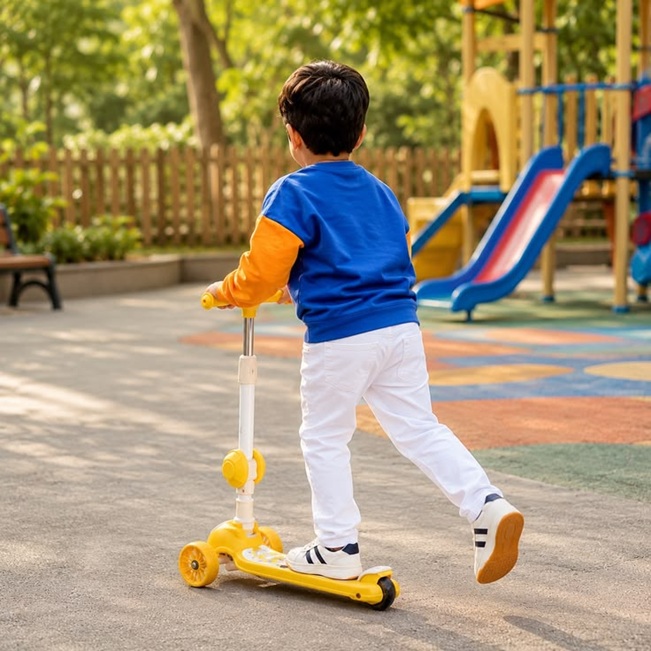
These scooters come in three main categories, and each is designed for different riding needs. Before you start looking at the details, you should determine which scooter category is best for your child.
The three-wheel scooters are the best option for younger children because they have a wider base and more stability. This base helps kids practice steering and develop coordination. Most models have two wheels at the front and one in the back. However, other arrangements support balance.
There’s a wide variety of lightweight child scooters with two wheels. They’re meant for kids who are well-balanced and coordinated and can handle a narrower standing platform. They usually need more active balancing, which makes them the next natural option as your child’s riding skills improve.
Last but not least are freestyle scooters. They’re made for more demanding activities like jumps, tricks and skatepark riding. They have a very sturdy construction and handlebars specifically made for performing manoeuvres. Unlike the other two categories, these scooters can’t be folded in half or adjusted in height.
Choose the Right Scooter Size and Fit
A scooter should feel comfortable and manageable from the first ride. Even if it’s the best, most expensive model, it can be hard to manage if it’s too large, too heavy or not suited for the rider. Start by checking the handlebar height. The child should reach them without overstretching or hunching over. Buying a scooter with adjustable handlebars is practical because it’ll grow with your child.
Deck size is next. There should be enough room for the child to place their feet comfortably. If the deck is too narrow, it can feel restrictive. But if it’s too big, the scooter will be harder to handle. Get a lightweight model that’s easier to steer and mind the fit because a good fit today is more important than buying a scooter that the kid can use for the next 5 years.
Consider Build Quality and Features
The material and components the scooter is made of are crucial for its durability and handling. The frame and deck construction should match the riding style. A recreational scooter has different demands than a freestyle one. Look for secure connections, a stable platform and sturdy construction.
Don’t overlook wheel size and materials. Larger wheels can roll more easily over minor surface imperfections, while smaller wheels often contribute to a compact design. Depending on the material, some wheels have a stronger grip, are more durable, and rolling is more comfortable, so think about the surfaces your child will ride on.
Handlebar grips and bearings are also details to consider. Comfortable grips give children better control, and when the bearings function properly, the wheels of child scooters run smoothly. They may seem like small details, but they have a big impact on the riding experience. Decide if your kid needs a folding mechanism. Folding scooters are great for easy transport and storage, but a more rigid design is better for freestyle riding.
Where Will Your Child Ride Their Scooter?
When buying scooters for kids, you should think about the places where your child will ride. Pavements and neighbourhood paths require scooters made for recreational riding on smooth, even surfaces. This is where reliable braking and handling come on top of your priorities.
If your child will ride in parks or on outdoor paths, consider the condition of the surfaces. Uneven paving, cracks and loose gravel can affect stability, especially when a scooter has small wheels. Choose a model made for the terrain and avoid surfaces that don’t match its capabilities.
If your child is interested in skateparks, they need a scooter specifically designed for freestyle riding. These models are for tricks and jumps and can handle more wear compared to other scooters. Don’t rush your decisions and consider where your child will ride the scooter to make the best choice.
Prioritise Safety
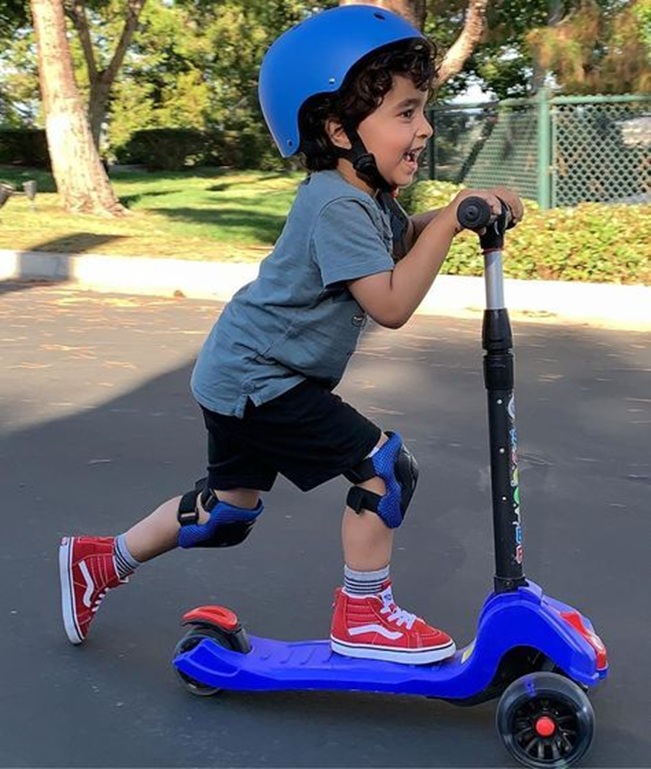
Safety should be a priority, especially when it comes to children. Get your child the proper safety gear. Start with a helmet that fits the head and stays in position when moving. Knee pads, elbow pads and wrist guards should also be part of the safety gear no matter how experienced the child is. You can never go wrong with additional protection. Just make sure their fit is right and not loose or tight.
Check that the scooter has a reliable braking system. Before each ride, inspect the handlebars, wheels and other important components for looseness, damage or excessive wear. Always follow the manufacturer’s instructions for maintenance and adjustments. Remind your child to watch for pedestrians, slow down when necessary, and always stay aware of their surroundings.
In Summary
Choosing the right scooter is more than just finding a design your child likes. Size, construction, riding style and intended environment all influence comfort and control. By considering these factors alongside protective equipment and regular maintenance, you can make a more informed choice.